
Antenatal Colostrum Collection: Is It Safe to Express Milk During Pregnancy?
If you’re pregnant and thinking about collecting colostrum before birth, you’re in the right place. Many parents wonder if it’s safe, how to do it, and whether it’s even necessary.
As a Calgary IBCLC and NICU nurse who specializes in pumping and establishing breastfeeding, I want to guide you through what antenatal hand expression is, when it’s considered safe, who it may benefit, and when it should be avoided.
What is colostrum?
Colostrum is the first milk your breasts produce, usually starting around 16 weeks of pregnancy. It is not different from breast milk — it is breast milk. Breast milk is dynamic, constantly changing to meet your baby’s needs as they grow.
For a newborn, whose tummy is tiny and immune system is immature, colostrum fills an essential role. It is highly concentrated with antibodies to protect your baby from illness and is very high in calories, meaning a little goes a long way.
Even a single drop counts. In the NICU, I often tell parents that even one drop is valuable. Colostrum after delivery serves as your baby’s first vaccine — it is truly a medical intervention. Producing just drops at a time is normal, especially after a high-risk pregnancy or complex delivery.
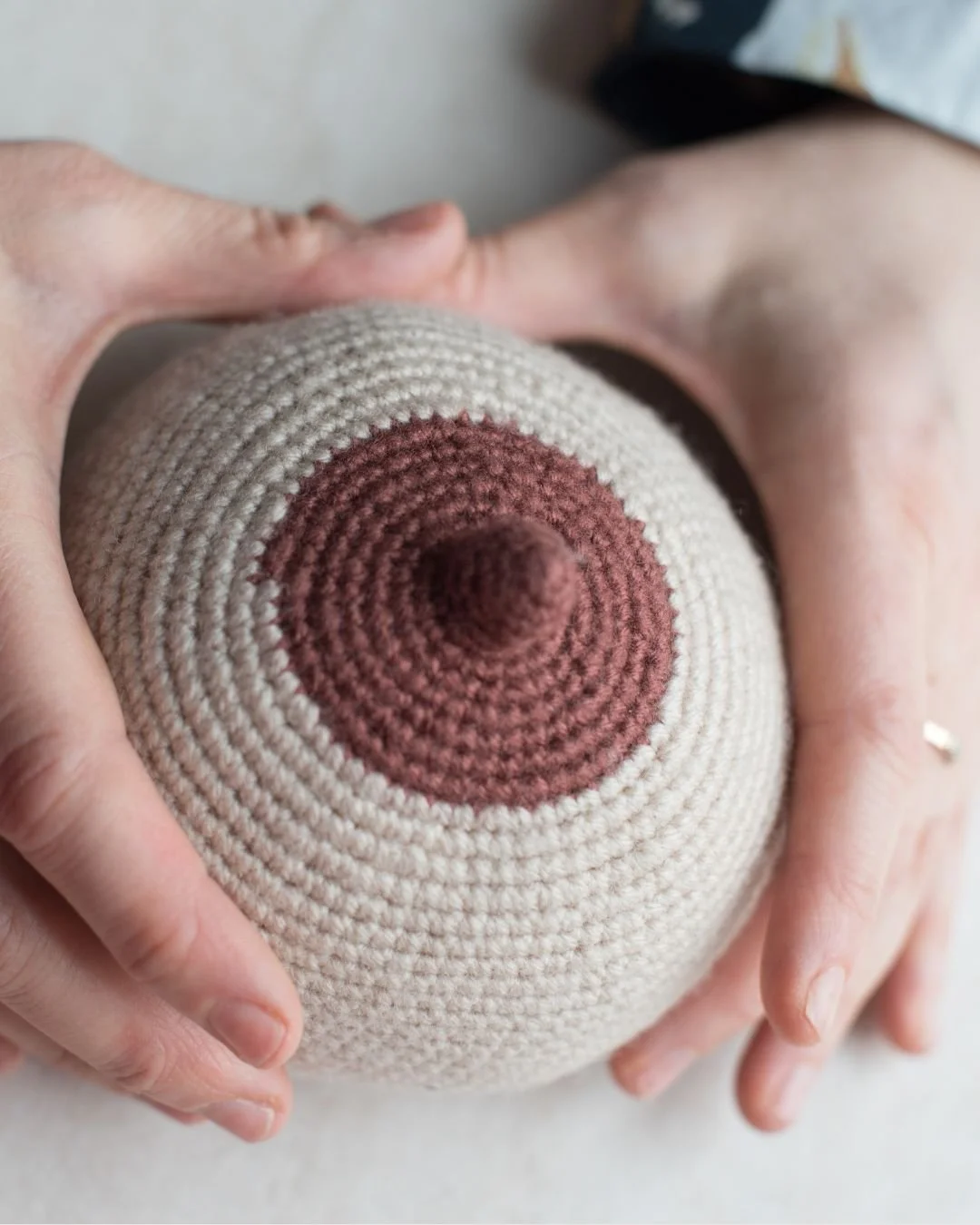
What is antenatal colostrum collection?
Antenatal colostrum collection, also called antenatal hand expression, involves gently massaging your breasts to express milk while pregnant. This process is typically recommended to start at 37 weeks.
Some families collect it ahead of birth so it’s available if the baby needs supplementation in the first days of life and can be brought to the hospital.
Other terms you may hear include:
antenatal hand expression
colostrum harvesting
expressing colostrum during pregnancy

Is it safe to express colostrum during pregnancy?
For most low-risk pregnancies, antenatal colostrum collection is considered safe after 37 weeks, when guided by a healthcare provider.
The main concern is that nipple stimulation releases oxytocin, the same hormone involved in labor. In theory, strong stimulation could trigger uterine contractions. In practice, gentle hand expression in late pregnancy has not been shown to cause labor in healthy, low-risk pregnancies.
That said, it’s not recommended for everyone. Avoid antenatal hand expression if you have:
risk of preterm labor
cervical insufficiency
unexplained vaginal bleeding
a history of early labor
high-risk pregnancy complications
If you’re unsure, always discuss with your obstetric provider or midwife first.
A fun rule I like to follow: if you can have sex, you can hand express. An orgasm releases significantly more oxytocin than gentle hand expression.

Who benefits from antenatal colostrum collection?
Learning to hand express while pregnant is valuable for all families. It helps you gain confidence with your breasts and learn about milk production before the stress of a newborn takes over.
Even in high-risk pregnancies, learning the skill (not actually performing it) prepares you to express immediately after delivery — whether for a healthy term baby or one who goes to the NICU. Early breast stimulation helps kick-start milk production, protects supply, and reduce the need for formula supplementation.
It may be especially helpful when:
gestational or pre-existing diabetes is present
there is concern about early feeding challenges
a cesarean birth is scheduled
there is a history of low milk supply
previous breastfeeding difficulties occurred
Having a small stash of colostrum can provide reassurance and support early feeding success.
When should you start collecting colostrum?
Most guidelines suggest starting around 37 weeks in a low-risk pregnancy.
Set realistic expectations: many parents collect very small volumes. Drops or fractions of a syringe are completely normal. The goal is familiarity with your body and having a small reserve if needed, not a full blown freezer stash.
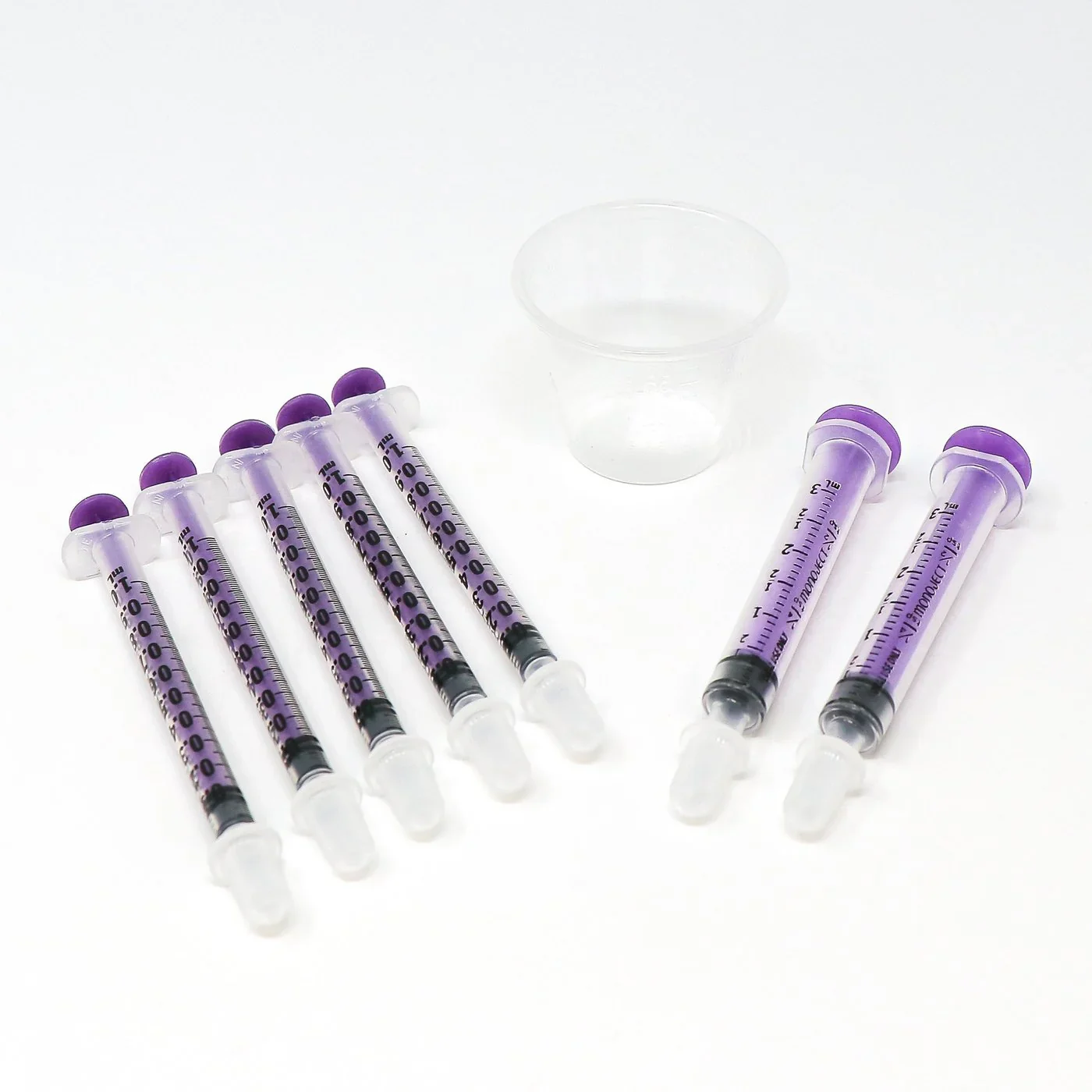
What supplies do I need to hand express?
To collect colostrum effectively and safely, it helps to have a few simple supplies on hand:
Small syringes – I recommend having a variety of 1 ml and 3 ml syringes. Make sure they come with a lid to keep your milk safe and clean.
Labels – Use these to mark the date and time you hand expressed so you can track and store your colostrum easily.
Medicine cup – Hold this in front of your nipple to catch the drops of colostrum as you express. This makes transferring to a syringe easier and helps reduce waste.
Having these supplies ready before you start makes the process smoother and helps you feel organized and confident.
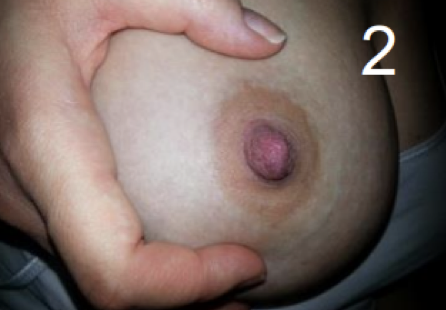
How to express colostrum safely
Antenatal collection should always be done with hand expression, not a breast pump.
Steps for safe expression:
Wash hands thoroughly. Optional: warm your breasts after a morning shower.
Sit forward and gently massage your breasts toward the nipple for a couple of minutes to warm them up and get the milk moving.
Place your thumb and fingers in a C-shape about 1 inch (2–3 cm) behind the nipple.
Press back toward your chest, compress, and release (don’t slide). Tip: switch hand positions or hands to change pressure spots. If skin becomes red, you’re pressing too hard.
Collect drops in a sterile cup or syringe, label with date and time, and freeze.
Sessions are usually short: 5–10 minutes, twice a day.
If you experience painful contractions, cramping, or vaginal bleeding, stop and contact your provider immediately.
Will I be able to keep my colostrum in a freezer at a Calgary hospital?
Yes! Every maternity department in Calgary has access to a freezer (even if that means walking over to NICU or post-partum) that is used to store donor milk, and your colostrum can be stored there safely.
To be prepared:
Bring your milk in an insulated cooler with ice packs, just in case delivery happens quickly or you forget to ask about storage in the heat of the moment. Milk should be fine in a cooler for up to 24 hours.
Frozen milk in small syringes (1 ml) will thaw in a matter of minutes at room temperature.
If the milk still has even a single ice crystal after thawing, it can be safely refrozen.
Once fully thawed, breastmilk should be used within 24 hours.
Planning ahead and having a cooler ready can give you peace of mind that your precious colostrum is safe and accessible for your baby, even during a fast-moving delivery.
Do you need to collect colostrum before birth?
No. Many parents never collect antenatal colostrum and still breastfeed successfully. Some families feel empowered by preparation, while others prefer to wait until birth. Both choices are valid.
Support for breastfeeding in Calgary
If you’re pregnant and have questions about antenatal colostrum collection or feeding plans after birth, personalized guidance can make a huge difference.
As a Calgary IBCLC offering in-home lactation support, I work with families to build confidence before and after delivery. Whether you’re planning to breastfeed, pump, or combination feed, early education reduces stress and improves outcomes.
You don’t have to figure this out alone. Visit my Contact page to discuss how I can help you or to book an appointment.
Antenatal colostrum collection can be safe and empowering for many families when started at the right time and with medical clearance. It is not mandatory, and it is not an outright measure of future breastfeeding success.
Prenatal education, however, significantly improves feeding outcomes. Even if you choose not to hand express, a prenatal consultation can help you meet your feeding goals and help prepare you for postpartum.