
How Long Can I Keep My Breastmilk?
One of the most common questions I get — whether you’re pumping occasionally or building a freezer stash — is “How long is my milk actually good for?”
Let’s start with an important reframe.
Breastmilk doesn’t turn into pixie dust the second it reaches an expiry time. Human milk is a living fluid, full of immune-protective and antibacterial properties. The storage guidelines we use are conservative safety windows, not a hard stop where milk suddenly becomes unsafe. In fact a new study has just looked at how long milk can be safely stored after feeding and be refed based on bacterial load (hint: it’s a whole lot longer than we’ve been doing).
Understanding why the current guidelines exist — and how to use your judgment — can take a lot of stress out of feeding decisions.
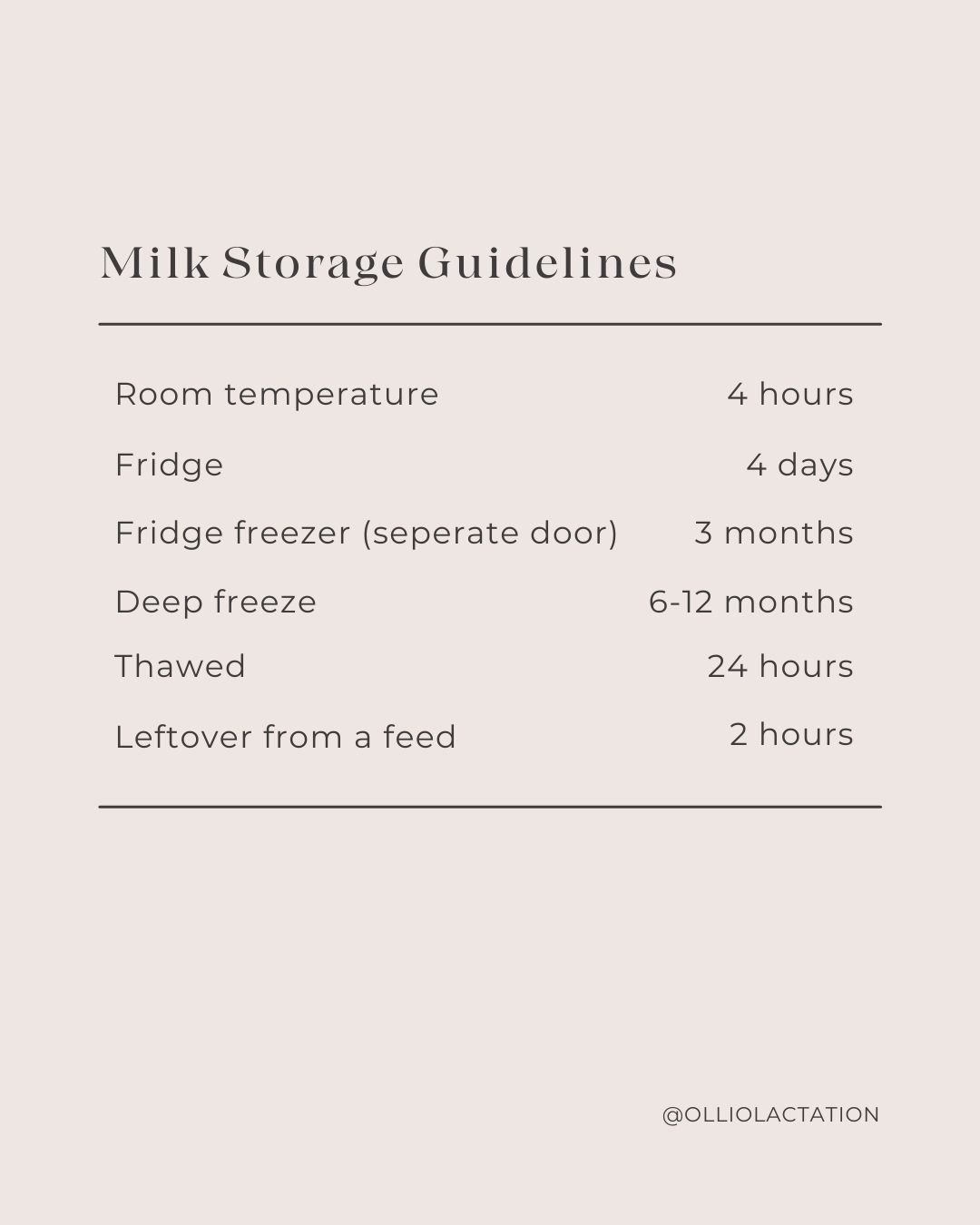
Breastmilk Storage Guidelines
Freshly expressed breastmilk
Room temperature (up to 25°C): up to 4 hours
Refeed: 2 hours Read more below to learn about newer research on this
Insulated cooler with ice packs: up to 24 hours
Refrigerator (≤4°C): up to 4 days
Freezer
Freezer compartment inside fridge: 2 weeks
Separate freezer with its own door: up to 6 months. Up to 12 months is acceptable but quality declines
Previously frozen breastmilk (thawed)
Refrigerator: up to 24 hours
Room temperature: use within 1 to 2 hours
Do not refreeze once fully thawed
These timeframes assume clean pumping practices and healthy term infants. If your baby is premature or medically fragile, storage rules may differ.
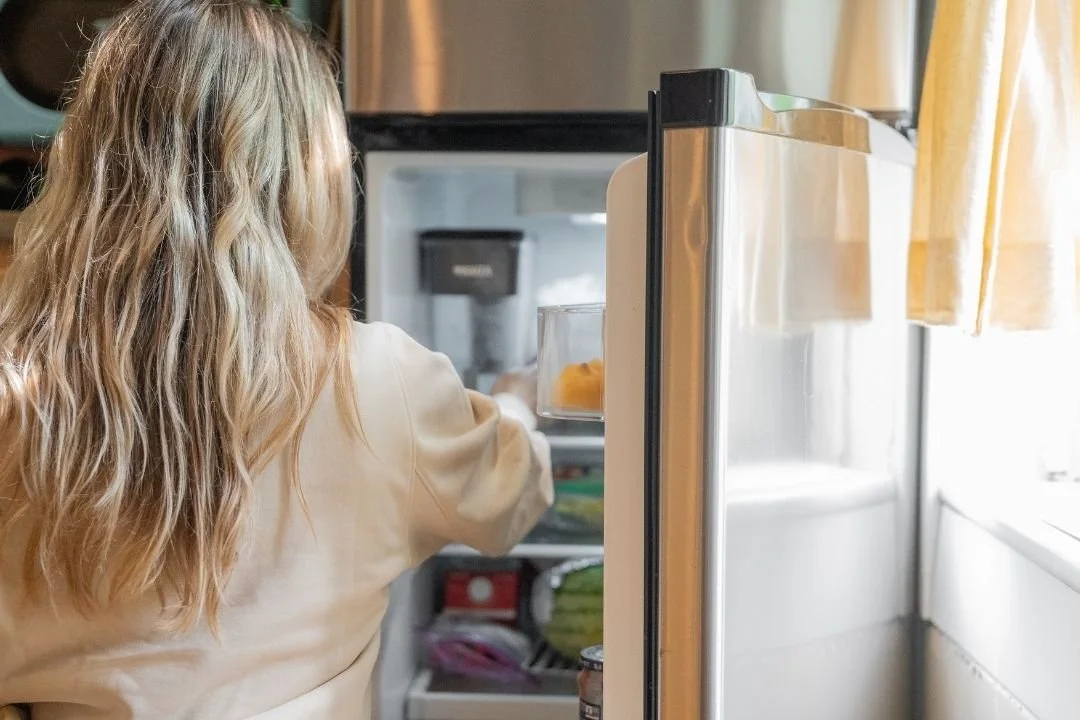
Should I Put My Milk in the Fridge If I Am Going to Use It Soon?
Freshly expressed breastmilk contains living components, including stem cells. These cells begin to lose activity once milk is refrigerated.
If you plan to feed your baby within about 4 hours and the room is not excessively warm, it is reasonable to keep freshly pumped milk at room temperature rather than refrigerating it.
Refrigeration is still safe when milk will not be used within that window, but unnecessary chilling may slightly reduce some of milk’s living properties.
What Happens If Milk Goes Past the Recommended Storage Time?
Breastmilk has natural antibacterial properties that help slow bacterial growth. Over time, nutritional and immune quality gradually decrease, and bacterial risk increases, but milk does not suddenly become unsafe the moment a guideline is reached.
If milk smells sour, rancid, or off, trust that cue and discard it.
How Do I Know If My Milk Has Gone Bad?
Signs milk may be spoiled include:
Sour or rotten smell that is very different from a normal soapy or metallic lipase smell
Sour taste
Separation that does not remix when gently swirled
High lipase milk can smell soapy or metallic without being spoiled and is safe for baby.
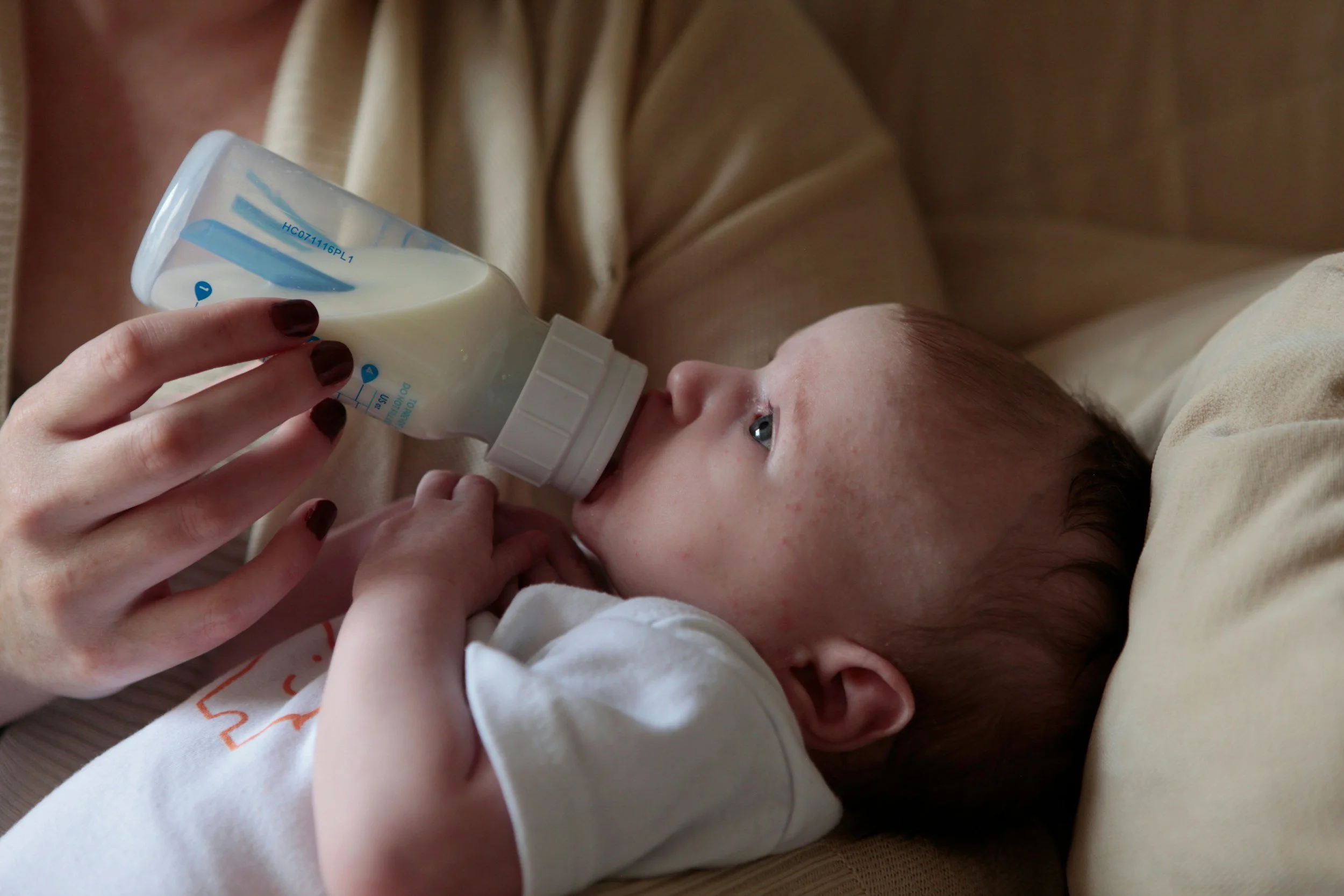
Can I Reuse Milk My Baby Already Drank From?
Current guidelines recommend that once a baby drinks from a bottle, bacteria from their mouth enter the milk.
Formula should be discarded 1 hour after a feed begins
Breastmilk can be reused for up to 2 hours after a feed begins
I know… even the idea of watching unfinished milk go down the drain shatters my heart. So you can believe my excitement when I read a new study that showed up on pubmed examining feeding leftover breastmilk.
This study showed that bacterial levels increased immediately after feeding due to contact with the baby’s mouth, but they were not statistically significant levels. The researchers found that bacterial levels did not significantly increase further for up to 4–8 hours, whether the milk was stored at room temperature or refrigerated. Noticeable bacterial growth was only observed after 24 hours at room temperature. 8 hours!!! That is a whole lot longer than the current 2.
For families who pump, this is exciting news. Pumped milk takes time, effort, and emotional energy to produce. And while this is exciting, this study remains in preprint and has not yet been peer reviewed so new guidelines are likely a ways away.
So until stronger evidence is available and clinical guidelines change, current storage recommendations should still be followed, particularly for premature or medically fragile infants.
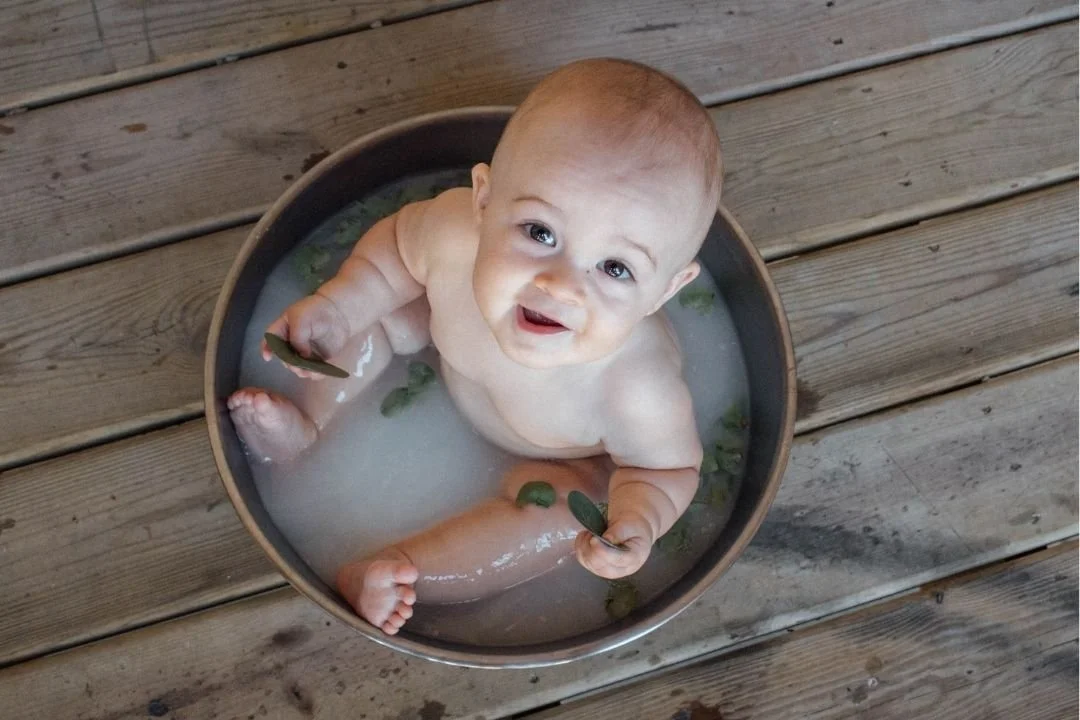
What Can I Do With Expired or Questionable Milk?
Milk that is no longer safe to feed can still be used in other ways:
Milk baths for dry skin, eczema, or diaper irritation
Adding milk to bath water
Topical use on minor skin irritation
Milk that smells clearly spoiled should not be used on broken skin.

What If I Have More Milk Than My Baby Needs?
If you find yourself with an abundant supply, you have options beyond freezing it indefinitely:
Rotate small amounts of previously frozen colostrum once your milk is mature and your baby is feeding well
Consider donating excess milk to support other families in need. In Calgary, the Northern Star Milk Bank accepts donor milk from screened, healthy lactating parents and distributes it to infants in hospitals who need it most
This can be a meaningful way to make sure extra milk has a purpose and reduces waste.
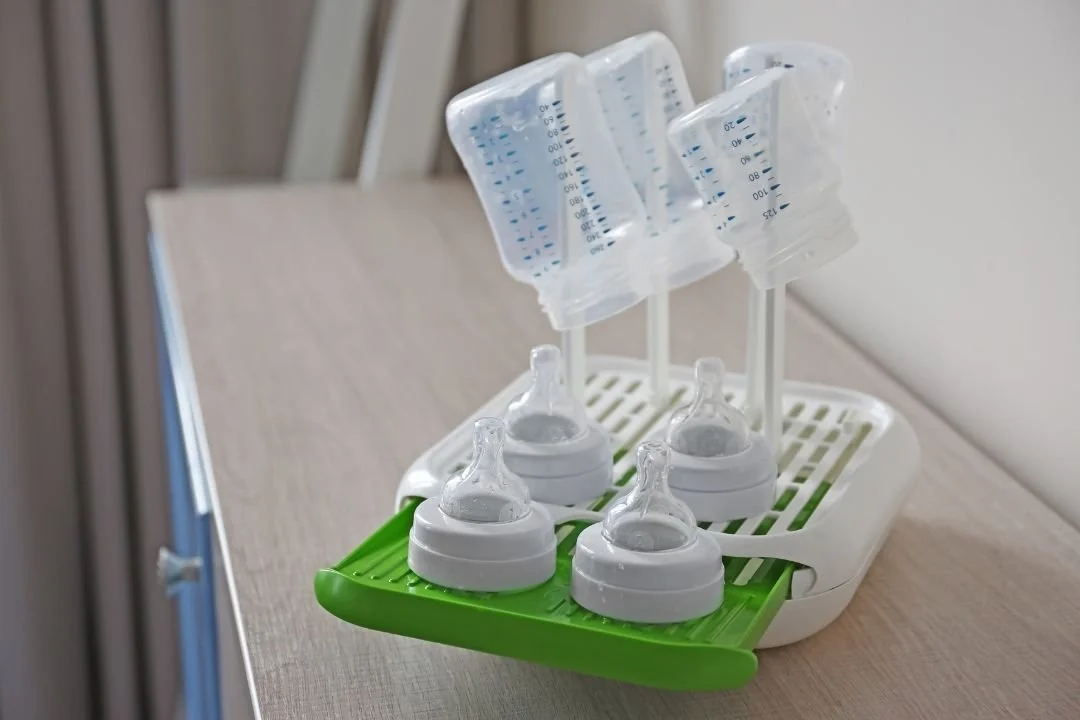
How Can I Keep My Milk Safe for Longer?
Milk safety begins with handling and hygiene.
Helpful practices include:
Wash hands before pumping or handling milk
Wash pump parts after every use
Allow parts to fully air dry
Sterilize pump parts daily
Replace valves, membranes, and tubing as recommended
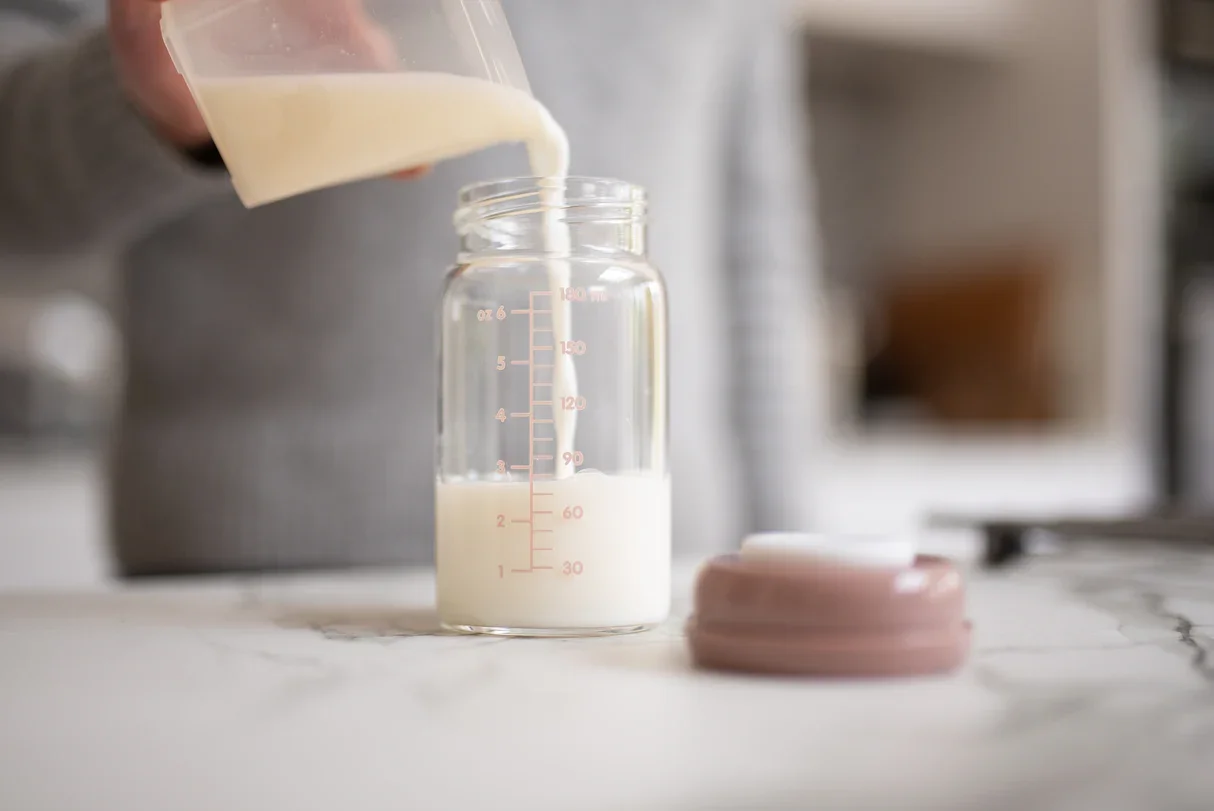
What Is the Best Way to Store Breastmilk?
Storage containers matter.
Flexible plastic storage bags are associated with greater loss of immune components compared to rigid containers. Studies show greater loss of macrophages and lymphocytes and up to a 60 percent reduction in IgA and bacteria fighting activity compared to glass containers.
For day to day use and freezer storage, some families choose hard plastic snap top containers or glass bottles to better preserve milk quality.
Minimize transfers and store milk toward the back of the fridge or freezer where temperature is most stable.
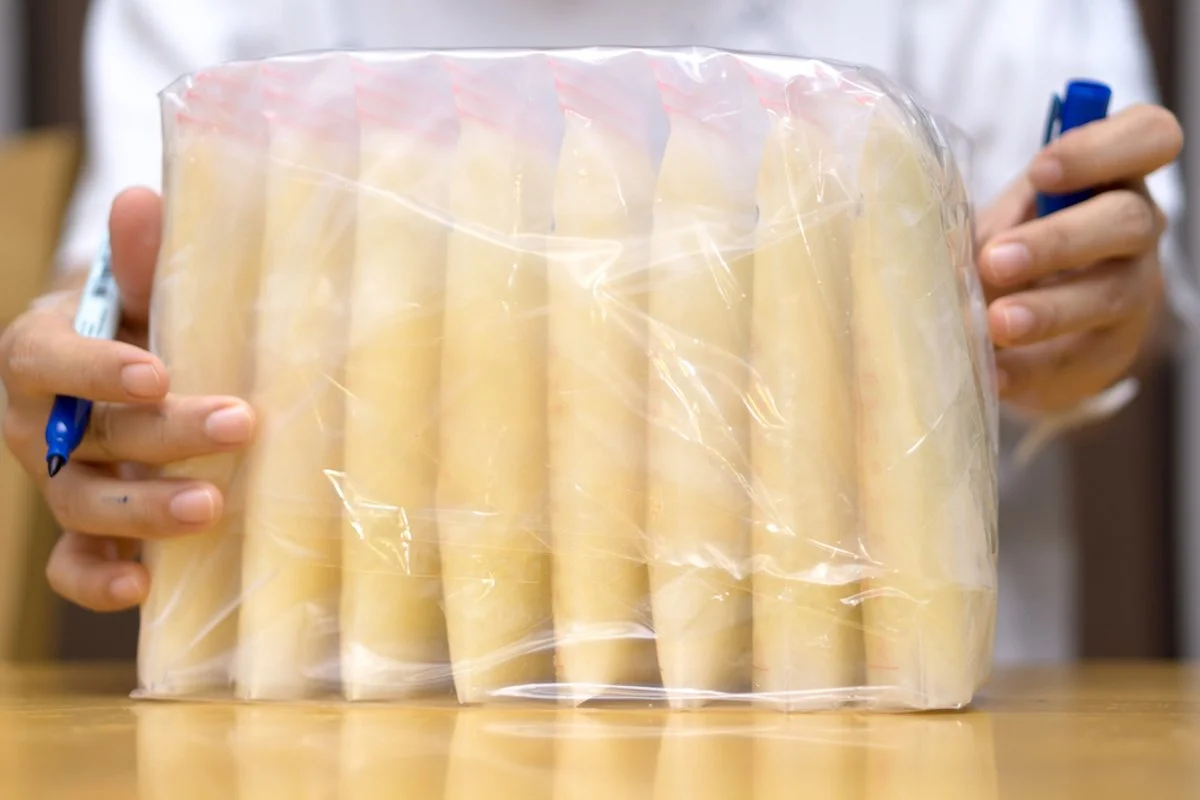
How Should I Store Milk in the Freezer to Avoid Waste?
Freezing milk in a variety of volumes prevents unnecessary loss.
Small volumes for snacks or comfort feeds
Medium volumes for partial feeds
Full feed volumes when appropriate
Label containers with the volume and date to make it easy to grab exactly what you need without thawing too much milk. Ensure the volumes you record are the volume it was in the bottle as the bags are inherently inaccurate.
Store milk together, for example all of one months milk goes into a large ziplock or box labelled by month. This makes thawing the oldest milk first easy.
How Should I Use Frozen Milk?
Slow thawing preserves fat and protects milk proteins.
Thaw in the refrigerator when possible
Allow at least 20 minutes or longer for gradual warming
Gently swirl rather than shaking
Rapid warming causes fat to adhere to the sides of bags and can reduce calorie content.
High Lipase Milk and Storage
High lipase milk naturally has elevated enzyme activity that can make milk smell soapy or metallic.
This does not mean the milk is spoiled
Some babies may reject the taste, but it is safe
Freezing can reduce lipase activity slightly, but smell may persist
Gentle warming can help remix the milk and make it more acceptable to your baby
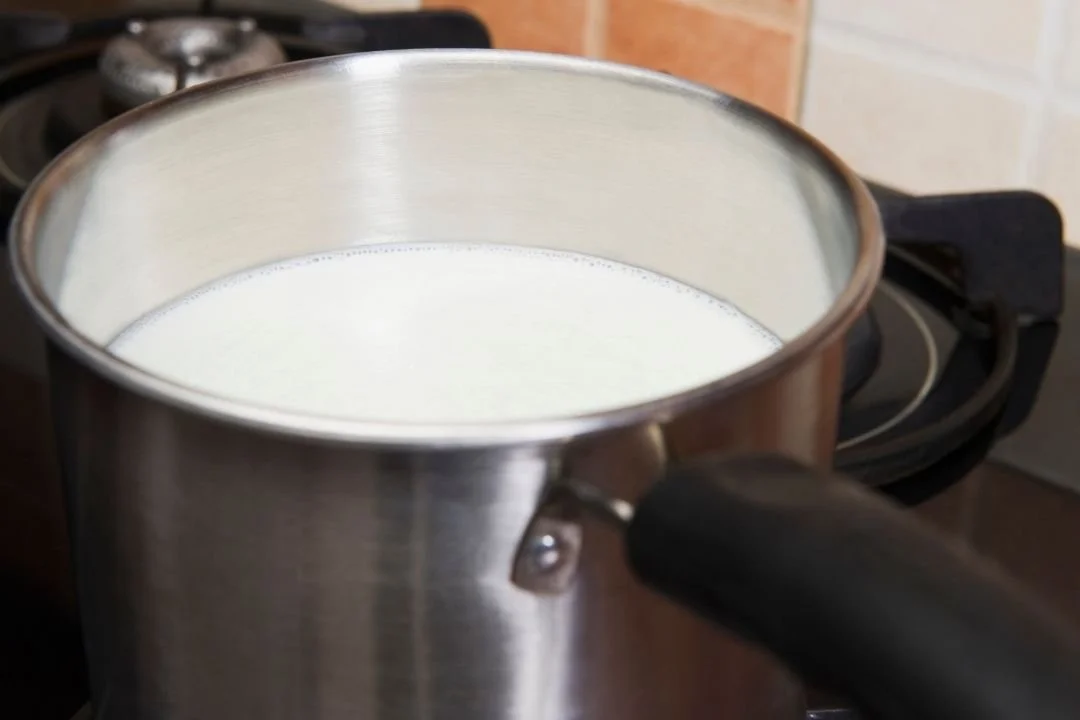
Scalding the breastmilk on the stovetop before store can slow the development of this off taste and improve your chances that baby will drink it
Do I Need to Warm Breastmilk?
Breastmilk does not need to be warmed.
Many babies take milk cold or at room temperature. Warming is optional and based on preference.
If warming, avoid microwaves, use warm water, and swirl gently.
How Should I Store My Milk on a Road Trip?
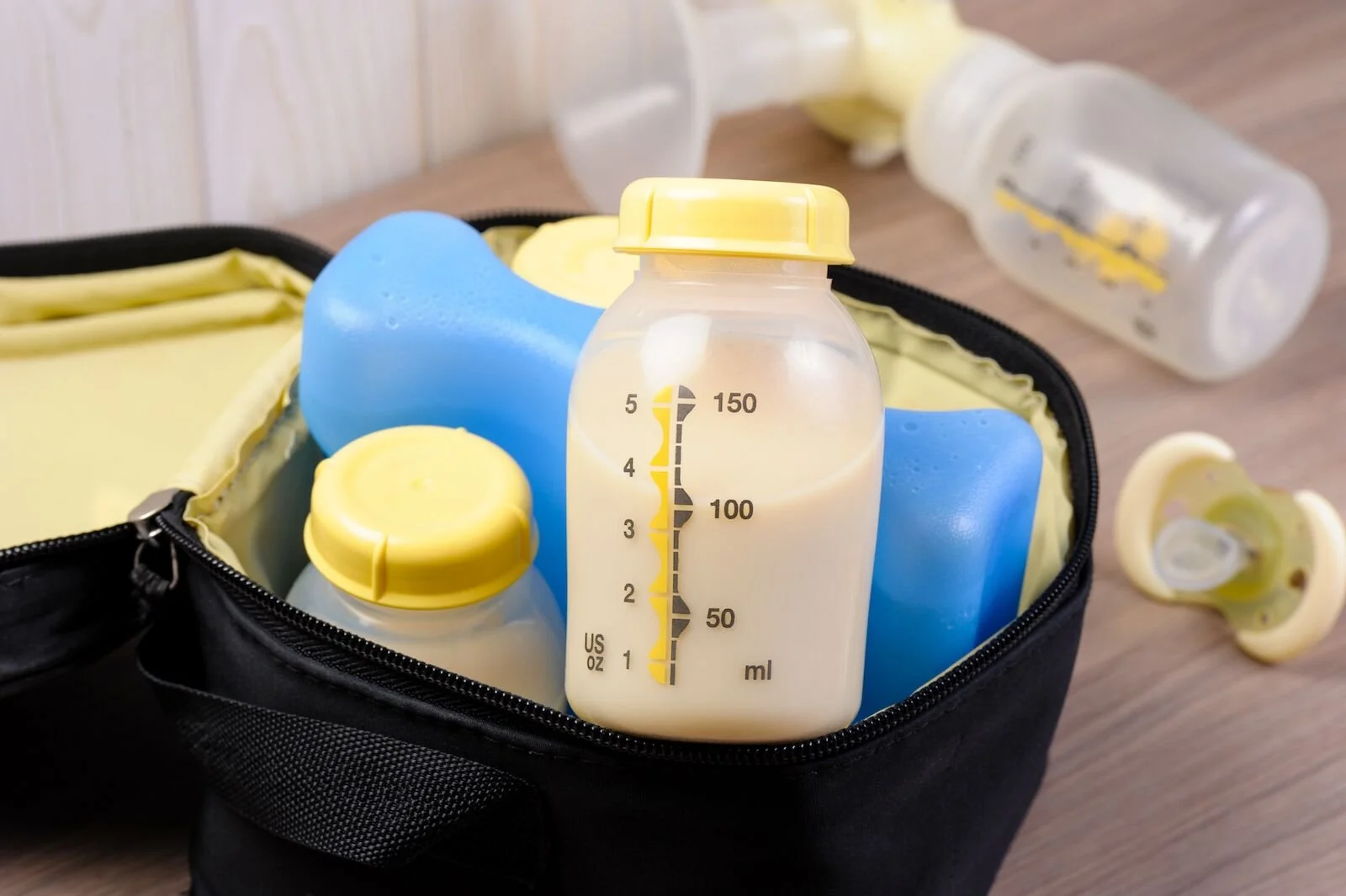
Use an insulated cooler with frozen ice packs and keep it closed as much as possible.
Milk stored this way can be safely kept for up to 24 hours.
Can I Store Milk on Vacation Away From Baby and Bring It Home?
Milk can be safely transported home by flying with it, shipping it frozen with dry ice, or storing it in hotel fridges or freezers. If you are flying, I’d recommend printing out TSA rules for the countries you are travelling through to show the security officer in case they cause a fuss. They are not allowed to test your milk invasively. If anything, they can request you pour a small amount out to be tested.
When travelling, planning for freezer access ahead of time makes the trip much easier. I’ve had luck emailing a resort and requesting to store my ice packs in their freezer for the trip home. The day of departure, I requested my ice packs and put them with my milk in a collapsible insulated bag I packed from home..
If milk is pumped under extremely clean conditions i.e. wash your hands beforehand, sterilize your parts frequently, and store milk at the appropriate temperatures, it may be kept up to 6 days in the fridge. It is is the safe to transport in an insulated bag with ice packs for up to 24 hours.
What If My Milk Partially Thaws During Transport?
Milk that still contains ice crystals can be refrozen.
Once fully thawed:
Store in the fridge
Use within 24 hours
Do not refreeze
Can I Use Frozen Milk From a Previous Baby?
Milk expressed for a previous child can be used for up to 12 months for a subsequent baby if it was safely stored and frozen.
If you want to be extra cautious or have a premature baby,, stick to a shorter storage window and aim to use that milk within about 6 months from when it was stored in a deep freezer. Always check smell and appearance and prioritize milk expressed for the current baby.

When Should I Be Extra Cautious?
More conservative rules may apply for premature or medically fragile infants. Babies less than 3 months of age are also especially vulnerable to infection. Always follow guidance from your care team.
Breastmilk is dynamic and packed with immunoglobulins that not only protect your baby, but keep it from turning into pixie dust the second it hits that expiry time. With diligent hand hygiene, safe handling, and informed decision making, most families can feed their babies confidently without significant amounts of waste.