
One of the most common questions I hear as a lactation consultant is: How can I increase my breast milk supply?
It's a common question, but it's also a loaded one. The answer depends on how far postpartum you are, your medical and breastfeeding history, your baby's feeding skills, your pumping equipment and your long-term feeding goals. For one parent, increasing milk supply might be as simple as correcting a flange fit. For another, it might involve a different breast pump, a more structured pumping schedule, support with childcare and meals, medical investigations, medication or referrals to other healthcare professionals. There isn't one solution that works for everyone.
The good news is that there are practical, evidence-informed ways to support milk production. Understanding how milk supply works, identifying ineffective milk removal and addressing problems early can make a significant difference.
As a NICU nurse and International Board Certified Lactation Consultant (IBCLC), I work with families navigating everything from early breastfeeding challenges to exclusive pumping and low milk production. Here's what I want every parent to understand about increasing their milk supply.

Why the first few weeks postpartum matter for your long-term milk supply
If you're pregnant or have recently given birth, this is one of the most important things I want you to know: the first two to three weeks postpartum are critical for establishing your long-term milk production.
After your baby is born, hormones play a significant role in establishing milk production. This is why we can see full breasts that leak and produce plenty, even if we have a painful latch or poor pumping setup.
However, after the first few weeks pass, regular and effective milk removal becomes the primary driver behind milk supply. This is why I don't want parents to spend time hoping that a breastfeeding or pumping problem will resolve on its own. If you have an uncomfortable latch, a baby who isn't transferring milk effectively or a breast pump that isn't removing milk well, these are things that need to be addressed sooner rather than later to ensure you protect your long term supply..
How does milk production work?
Breast milk production is largely regulated by how frequently and effectively milk is removed from your breasts.
When milk is removed, your body receives signals to continue producing milk. When milk remains in your breasts for prolonged periods, production can slow down.
There are two important parts to this:
Frequency: How often are your breasts being stimulated?
Effectiveness: How much milk is your baby or breast pump actually removing during each session?
You can breastfeed or pump frequently, but if your baby isn't transferring milk effectively or your pump isn't removing milk well, your supply may still be affected.
This is why simply adding more pumping sessions isn't always the answer. We need to make sure that what you're doing is actually working.
How often should I breastfeed to increase milk supply?
During the first month postpartum, most newborns need approximately 8–12 feeds in 24 hours. Some babies feed even more frequently, particularly during cluster-feeding periods. As a general starting point, I encourage parents to offer the breast every two to three hours, or sooner when their baby shows feeding cues. Some babies will feed several times in a short period and then have a longer stretch of sleep. Others will feed more consistently throughout the day and night.
During the first month, I don't want to see regular stretches of four hours or longer between feeds, particularly when we're still establishing milk production.
This is especially important for babies who were born prematurely, are smaller, are sleepy feeders, or aren't gaining weight appropriately. These babies may need to be woken for feeds rather than relying on their own feeding cues. As long as they feed well and are alert when we do wake them up, this is ok, they will start to wake up more on their own come 4-6 weeks of age.
Does my baby need to breastfeed for at least 10 minutes?
As a general starting point, I like to see newborns actively feeding for more than 10 minutes on average. However, feeding duration alone doesn't tell us how much milk your baby is transferring. As babies get older, they get more efficient. An 8 month old for example can drain you in a couple minutes.
So there are situations where shorter feeds can be perfectly normal. In the case of a significant oversupply and a very fast milk flow, a newborn may be able to transfer a substantial volume in a shorter amount of time, even if they dont have great feeding skills, as it may just pour into their mouth..
On the other hand, with a typical supply, a sleepy baby with ineffective feeding skills may spend 20-30 minutes at the breast without transferring much milk.
What I want to see is active feeding, with coordinated sucking and swallowing.
If your baby starts slowing down before 10 minutes, it may simply be because the initial milk flow has slowed and they haven't realized they need to work a little harder to stimulate another letdown.
Rather than allowing them to fall asleep, try breast massage, tickling their armpit or head, or switching sides to encourage active feeding.
How do I keep a sleepy baby actively breastfeeding?
This is such an important skill for new parents to learn. Newborns can be especially sleepy during the first four to six weeks of life, particularly late-preterm infants and babies transitioning home from the NICU.
When your baby starts slowing down at the breast, try:
Stroking their head, back or under their armpit to encourage them to stay awake.
Using breast massage to encourage milk to flow and for baby to start sucking again..
Applying breast compressions while your baby is already actively sucking and swallowing, but just being poky about it.
Changing breastfeeding positions to get them away from your warm cozy body.
The goal is to give your baby the opportunity to remain active at the breast, stimulate additional letdowns and remove milk effectively.
How do I know if my baby is actually getting enough breast milk?
This is one of the biggest learning curves I see for new families. Baby is latched and sucking and its comfortable, but they’re not actually actively feeding or transferring milk, and it goes unrecognized until their first checkup when baby has lost significant weight.
During breastfeeding, look for:
Big, rhythmic jaw movements.
An engaged body and sustained sucking.
Audible swallowing (sounds like “kuh”)
Breasts that feel softer following a feed.
Remember, a baby being latched doesn't necessarily mean they're drinking milk. You need to look and listen for swallowing.
We also need to consider what happens outside of the feeding session. By day 6, newborns should have at least six wet diapers in 24 hours. Stool patterns should also be changing from meconium to transitional and then yellow by day 4/5 as milk intake increases. During the first several weeks, breastfed babies should have at least 4 stools a day. We will then see this number decrease especially overnight, as they start to sleep longer stretches after 2 months. Unfortunately this often coincides with gassy, strain, uncomfortable baby as their system adapts. Bicylcle legs are your friend here.
I was told to supplement, Do I really Need to?
If your provider tells you to supplement, you need to listen to your provider, I am not there with you and I do not know your history.
However, I want to put this out into the universe so that you know it is not without it’s risks, and it shouldn’t be the go to for every baby broaching 10% weight loss after delivery.
One situation in particular is weight loss after a C-section or a delivery involving significant IV fluids. When a parent receives IV fluids during labour, some of that fluid can be transferred to the baby before birth. The baby may then lose some of this additional fluid through urination during the first day or two. This can contribute to a higher recorded birth weight and a greater percentage of weight loss when subsequent weights are compared with that initial measurement. This is why I love a 24 hour weight, as I find it much more reflective of the babies true birth weight, and gives us a bigger picture to go off of.
Again, this doesn't mean that weight loss should be dismissed or that supplementation isn't necessary for many families. It means we need to interpret the weight alongside the rest of the clinical picture.
When I assess a newborn who has been recommended supplementation, I want to understand:
How much weight has the baby lost, and over what period?
Were there significant maternal IV fluids during delivery?
Has the baby's weight been reassessed after the first 24 hours?
Will be have an opportunity to see this family to reassess in 24-48 hours?
Does the parent have risk factors for delayed milk production or low supply?
Is the latch comfortable and effective?
Is the baby actively feeding with frequent audible swallowing?
Are there adequate wet and dirty diapers for their age?
Has the parent's milk volume increased appropriately?
A weight loss approaching or exceeding 10% requires careful attention and follow-up. It isn't appropriate to automatically assume that the baby is feeding well, but it also isn't an automatic diagnosis of low maternal milk supply. Remember, you are not suppose to have milk until about day 3 and it is normal to produce drops initially. If you have a healthy, term baby, they have brown fat to help them get by until your milk comes in. But they need to be waking easily, actively feeding regularly, and peeing/pooping enough to get to that day 3 when your milk comes in.
When supplementation is medically indicated, we need to make sure the baby receives adequate nutrition while also protecting the parent's milk production. This generally means incorporating hand expression or pumping whenever supplementation replaces milk removal at the breast.
If you've been advised to supplement based primarily on weight loss and have concerns about how that recommendation was made, an individualized assessment with an IBCLC can help look at the whole picture.
Please don't delay medically necessary supplementation while seeking a second opinion. Your baby's nutritional needs come first, and we can work on protecting breastfeeding alongside them.
Do I need to pump if my baby is sleeping longer stretches at night?
This is a question I wish more parents asked before their babies start sleeping longer stretches.
The answer depends on your baby's age, your milk supply, how effectively your baby feeds during the day and your feeding goals.
During the early weeks, regular overnight milk removal is important for establishing production. If your newborn is sleeping for long stretches, particularly before they've regained birth weight or if they're not gaining appropriately, they may need to be woken for feeds according to their healthcare team's recommendations.
Once breastfeeding is established and your baby is growing well, some parents can comfortably go longer overnight without pumping. Others find that longer gaps result in a drop in milk production. Typically this cut off is at about 6 hours overnight.
If maintaining a full milk supply is important to you, I generally encourage parents to be cautious of regularly going beyond six hours overnight without milk removal, particularly when their baby is still relying heavily on breast milk and hasn't yet established substantial solid food intake.
Something else to consider is that babies don't always continue sleeping through the night. As babies grow and develop new skills, their sleep patterns can change. They may begin waking more frequently, feeding more often and seeking additional milk. This can happen during periods of rapid growth or developmental change. If your baby has been sleeping longer stretches and suddenly starts waking frequently to feed, it doesn't automatically mean something is wrong. It may simply be a change in their feeding needs.
However, if your breasts have become accustomed to going many hours without milk removal, it's worth paying attention to how your supply responds.
If you're trying to protect your supply while your baby sleeps longer, you may find it helpful to:
Add a pumping session before you go to bed.
Offer a dream feed if your baby is still receptive to feeding.
Pump once overnight if a long stretch is regularly occurring.
How to increase milk supply when exclusively breastfeeding
If you're breastfeeding and want to increase your milk supply, start by looking at how effectively your baby is removing milk.
There are three things I want to assess.
1. A comfortable, effective latch
A comfortable latch is important for both you and your baby.
If breastfeeding is consistently painful, your nipples are damaged or your baby is struggling to maintain a deep latch, there may be an issue with positioning, attachment or oral function. An ineffective latch can mean your baby isn't removing enough milk to stimulate adequate production. A good latch allows your baby to take a substantial amount of breast tissue into their mouth, maintain an effective sucking pattern and transfer milk without causing ongoing pain. Persistent pain isn't something you should tolerate. It's a sign that something needs to be assessed.
If you have a comfortable latch a supply is the only thing pushing you triple feed, then I’d like you to consider using a Supplemental Nursing System (SNS). This allows baby to be on the breast, stimulating it, while receiving additional volume through a tube while latched, instead of having to bottle and pump after. It’s a bigger learning curve, and should definitely be done with the support of an IBCLC, but it is wonderful option to reduce three things, down into one, because triple feeding is not a long term plan. I especially love this for families with Insufficient Glandular Tissue when baby has a beautiful latch.
2. Active feeding and swallowing
We want to see your baby actively drinking, not simply holding the breast in their mouth or using it to fall asleep. Look for those signs that we talked about above, as to if they are getting enough to eat. We’re watching for big jaw movements, and listening for those swallows.
3. Frequent and sufficient milk removal
Offer the breast frequently and allow your baby to feed actively. If you know your baby has gotten enough to eat at a single feed and doesnt need to be supplemented after, then allowing them to pacify on you after is a wonderful way to increase breast stimulation. They are welcome to hang out there all day if they like and use you as a pacifier, as long as you are able to recognize that they are not taking significantly more volumes after about 20 minutes.
How to increase milk supply when exclusively pumping
If you're exclusively pumping, or pumping to replace feeds your baby isn't able to complete at the breast, your breast pump is doing an important job.
You want to make sure that your pumping routine supports both frequent and effective milk removal.
Here are the things I look at when assessing a pumping routine.
1. Frequency
For parents exclusively pumping in the early postpartum period, there need to be 8–12 pumping sessions in 24 hours. This means regular pumping every 2-3 hours including overnight. For exclusively pumping parents with no plan to breastfeed, they may be able to get down to 6 sessions a day once supply is established. But if we are ever hoping to breastfeed, we need to tell our bodies that there is a baby to feed who wants to eat every 2-3 hours.
2. Use A primary breast pump
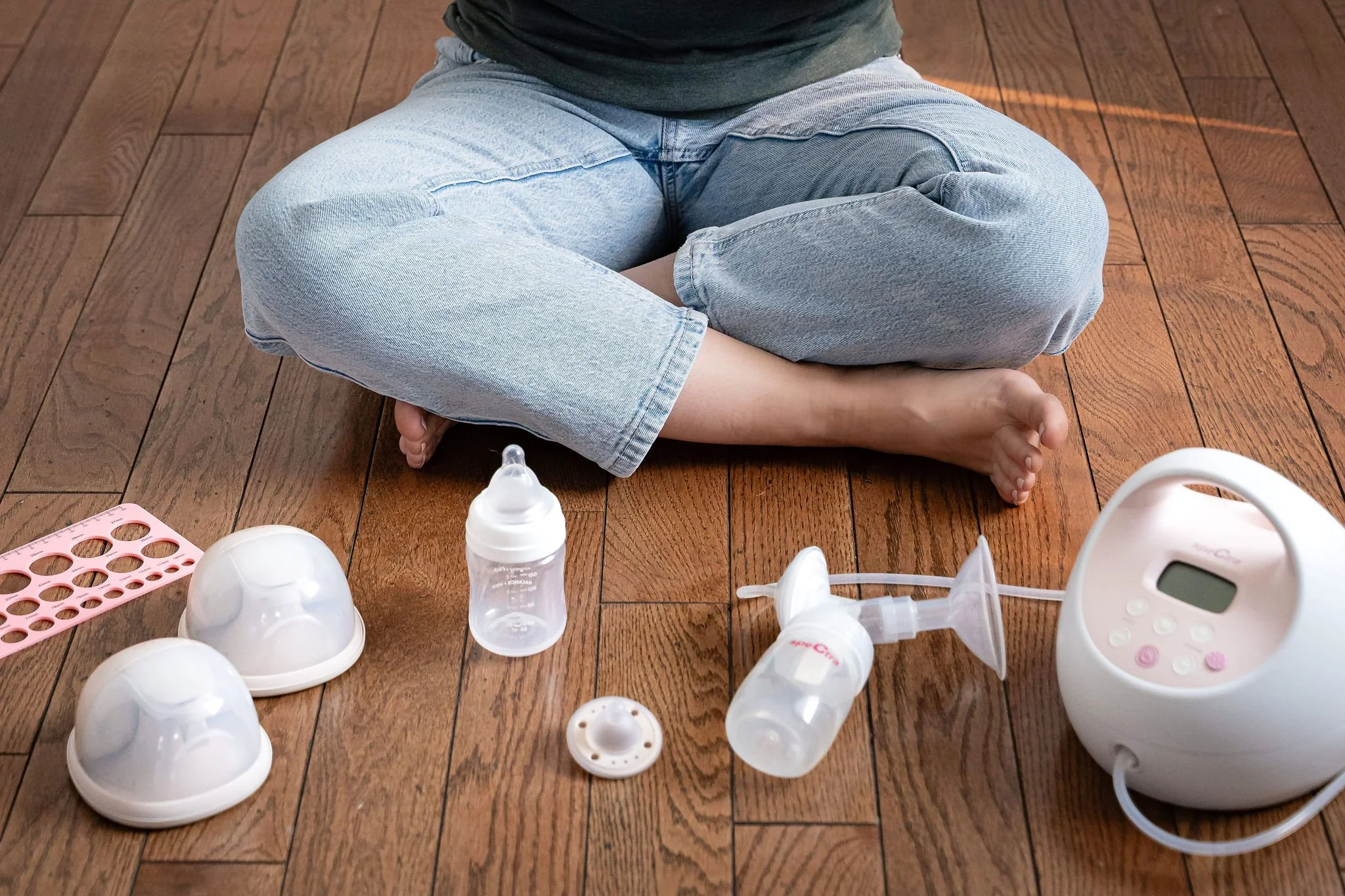
Not all double-electric breast pumps are primary pumps. For parents in Canada, some of the options I commonly recommend considering include:
Medela Symphony: A multi-user hospital-grade pump that can be rented.
Spectra S1 or S2: Double-electric pumps with adjustable suction and cycle settings.
Medela Harmony: A manual pump that can be useful in certain circumstances.
Other pumps may be appropriate depending on your circumstances, but I generally want parents who are establishing or rebuilding supply to have a reliable primary pump.
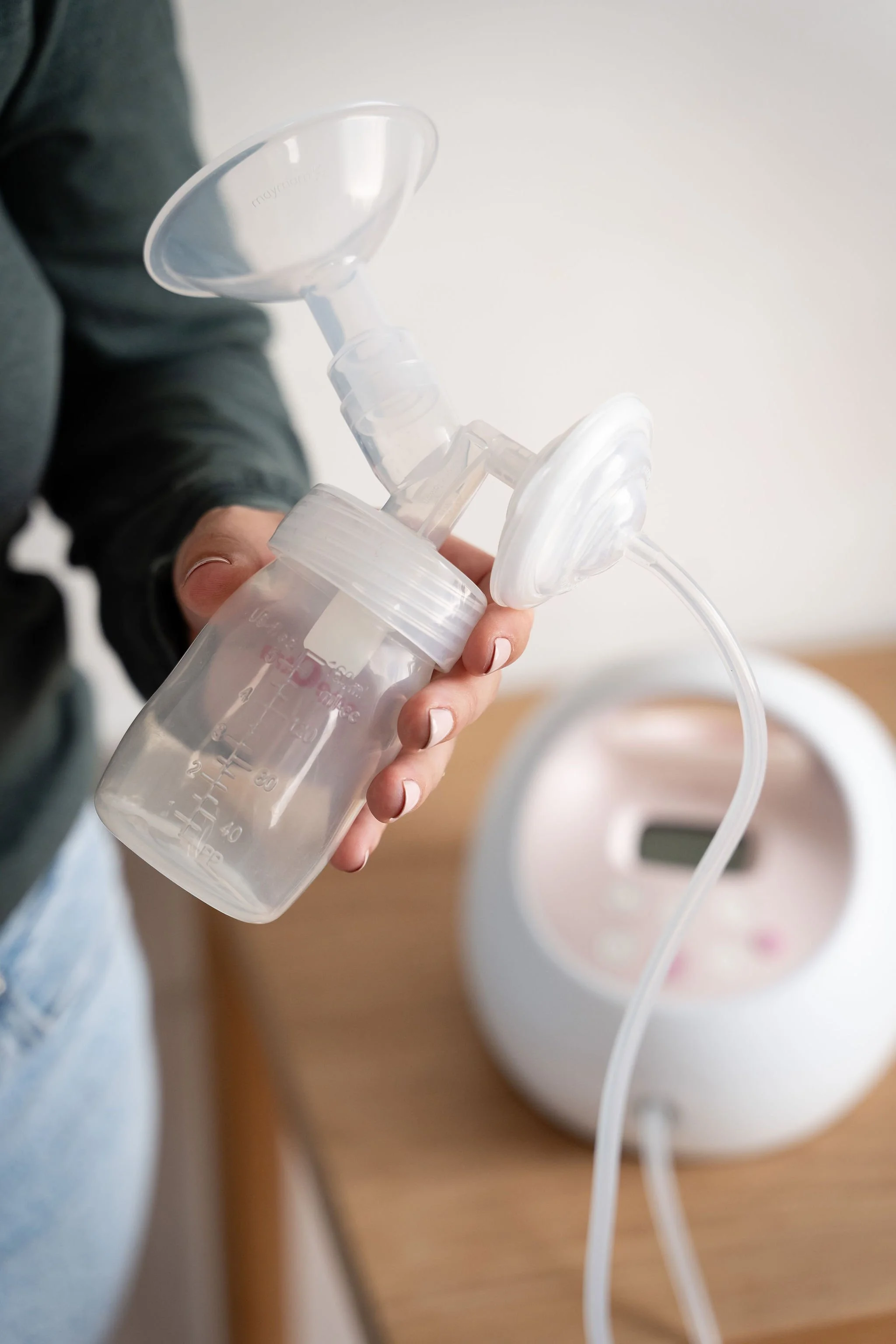
I am particularly cautious about using on wearable pump when we're trying to establish or rebuild milk production. Wearable pumps can be convenient and work for the occasional outlier, but they limit our ability to customize flange shape, perform hands-on pumping and optimize the fit for an individual.The research tells us that hard plastic flanges are more effective, and wearables relying on inserts.
3. Make sure your breast pump flange fits
This is one of the biggest things I see impacting pumping output. A 24 mm flange is included with breast pumps, but that doesn't mean it's the correct size for you. Flange fitting involves much more than measuring the diameter of your nipple.
We need to consider:
The diameter of your nipple.
The shape and curvature of your breast.
How elastic your nipple and surrounding tissue are.
A well-fitting flange should allow your nipple to move comfortably without breast tissue being pulled into the tunnel. If your nipple looks bigger at the end than when you started, this is a yellow flag that your flange is too big.
4. Double pump and use your hands
Whenever possible, use a double-electric pump to express both breasts simultaneously while wearing a pumping bra. While pumping, perform gentle breast massage and compression to help milk removal. This is referred to as hands-on pumping.
When a baby breastfeeds, they use their tongue and jaw to help remove milk. With pumping, we don't have that same combination of movements, so using our hands can help provide breast compression. I particularly like this trick in the first few weeks when we're trying to establish milk production or improve the amount of fatty milk removed during each pumping session.
Use gentle pressure with both hands around the breast. Avoid digging into the breast with your thumbs or applying painful pressure. If your breasts are becoming red or sore, you're using too much pressure.
5. Stimulate multiple letdowns
This is one of my favourite tricks to teach new pumping parents.
During breastfeeding, babies don't stimulate just one letdown. They change their sucking pattern as milk flow slows, which encourages additional milk letdowns. We want to replicate this as much as possible when pumping.
Most electric breast pumps have two main modes:
Stimulation mode: Faster cycles designed to encourage milk ejection.
Expression mode: Slower cycles designed to remove milk once it is flowing.
When you first start pumping, begin in stimulation mode. Once milk starts flowing, transition to expression mode. As your milk flow slows from sprays to drips, try returning to stimulation mode to encourage another letdown. Once milk starts flowing again, return to expression mode. You can repeat this process several times throughout your session. The important thing is to pay attention to your own milk flow rather than following a fixed timer.
A pumping session doesn't need to last 30 minutes just because that's what a particular schedule recommends. If you've had several letdowns, your breasts feel softer, and another stimulation cycle isn't producing additional milk, you’re done pumping. THAT is how you know how long to pump for. For many parents, 15–20 minutes is a reasonable starting point, but the ideal duration varies depending on the individual, the pump they’re using, the fit of their flange and how they’re using their pump.
I'd much rather see you spend your time pumping effectively and frequently enough than sitting attached to a pump for an extra 15 minutes when milk is barely flowing.
6. Use the highest comfortable suction
More suction does not necessarily mean more milk. You want to use the highest suction that is comfortable for your body.
If your flange doesn't fit properly, you may find that you need to turn down your suction because of discomfort. When the flange fits well, you should be able to increase suction comfortably and achieve milk sprays. If you’re not seeing those sprays, your flange doesnt fit!
Pumping should never hurt. Increasing suction until you experience pain can cause nipple trauma and swelling, making milk removal less effective.
7. Use a Nipple Cream
A lubricant in your flange tunnel can make pumping more comfortable for some parents. And the more comfortable you are, the higher you will be able to get the suction, and the faster you will empty. Applying a small amount of a breastfeeding-safe lubricant, such as lanolin if tolerated, to the flange tunnel can reduce friction.
If pumping is uncomfortable, however, lubrication alone isn't the solution. We still need to assess your flange size, shape, and pump settings.
Does power pumping increase milk supply?
Power pumping, cluster pumping or snack pumping are all different names for the same idea. We're trying to replicate the frequent feeding patterns of a baby who is cluster feeding. Babies often cluster feed during the early weeks as milk production is being established. They may also temporarily increase their feeding frequency as they go through growth spurts or neurodevelopment leaps (like learning to roll over). We can try to recreate this pattern with a breast pump by incorporating additional, shorter pumping sessions over a period of time.
One commonly used power-pumping routine is to pump on an off in 30 minute increments for a 3 hour stretch once a day for 3-5 days:
Pump for 20 minutes.
Rest for 10 minutes.
Pump for 10 minutes.
Rest for 20 minutes.
Pump for 5 minutes.
Rest for 25 minutes.
Pump for 10 minutes.
Rest for 20 minutes.
Pump for 5minutes.
Rest for 25 minutes.
Pump for 20 minutes.
Rest for 10 minutes.
There isn't one scientifically established cluster-pumping schedule that works for everyone, and the evidence for power pumping as a specific intervention remains limited.
If you're going to try it, I want you to make sure your regular pumping routine is already optimized. Power pumping should be an addition to an effective milk-removal plan, not a replacement for one.
If you're spending hours pumping but your flange doesn't fit or your pump isn't removing milk effectively, we need to address those problems first.
What foods increase breast milk supply?
You'll often hear recommendations for oatmeal, lactation cookies, brewer's yeast, flaxseed, fennel and special lactation teas. While nutrition is absolutely important for milk production and postpartum recovery, there is limited high-quality evidence that any particular food reliably increases breast milk supply. What I want parents to focus on is nourishing their bodies.
Think about postpartum nutrition in the same way you would think about fuelling an athlete. Your body needs sufficient energy, protein, fats, carbohydrates, vitamins and minerals to recover from birth and support milk production.
My recommendations are practical:
Eat regularly throughout the day.
Prioritize a variety of whole foods.
Drink to thirst and keep water accessible while feeding.
Ask for help with meals and household responsibilities.
Avoid restrictive dieting while establishing your milk supply.
If you live in Calgary and need support with meals, your money is better spent on a meal service that provides food that nourishes you like https://www.pura-mama.com/pura-mama-kitchen/ rather than store bought lactation cookies.
Can medications increase breast milk supply?
Sometimes, even when we've optimized breastfeeding and pumping, milk production remains lower than expected. This is when I want to look more closely at your medical history and potential underlying causes.
Some factors associated with low milk production include:
Polyendocrine Metabolic Ovarian Syndrome (PMOS)
Diabetes.
Thyroid disorders.
Insufficient glandular tissue (IGT).
Previous breast surgery.
Significant postpartum blood loss.
Retained placental tissue.
Hypertension
Maternal illness or significant physiological stress.
Depending on the underlying cause, prescription medications called galactagogues may be considered.
Metformin and milk supply
Metformin is a medication commonly used to manage insulin resistance and type 2 diabetes. This is more often used when insulin resistance may be contributing. We may also see it be beneficial in families diagnosed with Insufficient Glandular Tissue.
Domperidone and milk supply
Domperidone is a prescription medication that increases prolactin, a hormone involved in milk production. However, it isn't appropriate for everyone.
Domperidone side effects like GI upset, and it also carries a significant risk of withdrawal that looks like depression and suicidal ideation. This is particularly important for postpartum parents who may already be vulnerable to changes in mood. If domperidone is being considered, it requires an individualized medical assessment, appropriate monitoring and a medically supervised plan for discontinuation. It should never be stopped abruptly or adjusted without speaking with the prescribing clinician.
Medication should never be the first or only step in managing low milk supply. We need to understand why production is low and optimize milk removal before deciding whether medication is likely to help.
When should I see a lactation consultant for low milk supply?
If you're concerned about your milk production, I recommend getting support sooner rather than later. A lactation consultant can assess the entire feeding picture rather than simply recommending that you breastfeed or pump more often.
During an individualized assessment, I may look at:
Your risk factors for low milk production.
Your baby's oral anatomy and feeding skills.
Your baby's latch and milk transfer.
Your baby's weight trajectory and feeding history.
Your pumping equipment and flange fit.
Your pumping frequency and milk production patterns.
Your current supplementation plan.
Your long-term feeding goals.
Sometimes the solution is relatively straightforward. It might be correcting a flange fit, changing your pump settings, improving your baby's latch or adjusting your feeding schedule.
Other times, we need to consider a combination of interventions. That might mean a pump rental, additional milk expression, a structured pumping plan, help with childcare so you can fit in pumping sessions, support with meal preparation, a medical referral, medication or more frequent follow-up. Depending on the situation, referrals to other professionals such as an occupational therapist, physician or mental health professional may also be appropriate.
The goal isn't simply to increase your milk production at any cost. It's to develop a plan that supports your baby's nutritional needs, your feeding goals and your mental health.
You shouldn't have to choose between protecting your milk supply and protecting your mental health. That's why working with an International Board Certified Lactation Consultant (IBCLC) can make such a difference. An experienced lactation consultant can help identify what's affecting your milk production, prioritize the interventions most likely to help and create a plan that is realistic for your family. If you're struggling with low milk supply, pumping or breastfeeding, I'm here to help.