
What to Eat While Breastfeeding: Foods That Support Milk Production and Your Postpartum Recovery
If you're trying to increase your milk supply, you've probably heard that you should eat oatmeal, drink Mother's Milk Tea, make lactation cookies, or take a lactation supplement.
But what if the answer isn't one magic food?

Milk production is a complicated equation. What you eat is only one piece of the puzzle.
Your body also needs
regular, effective milk removal
sufficient milk making tissue
hormonal balance
intact nerves and ducts
If one of those pieces isn't working well, adding another bowl of oatmeal isn't necessarily going to fix the problem. That doesn't mean nutrition doesn't matter. It absolutely does! Your body is doing an enormous amount of work during lactation. Eating enough nourishing food gives your body the building blocks and energy it needs to recover from pregnancy and birth, care for your baby, and make breast milk.
So instead of asking, “What is the one food that will increase my milk supply?” I like to ask: “How can I nourish my body so it has what it needs to do its job?
What foods increase breast milk supply?
This is one of the most common questions I hear from breastfeeding moms. You may have even heard that oats, flax, and brewer's yeast, are “galactagogues.” Unfortunately, there isn't a single food that reliably increases milk supply.
Some foods and herbs have traditionally been used to support lactation, but the evidence behind this is extremely limited. Even with better-studied herbal galactagogues, the research is inconsistent. For example, fenugreek used to be routinely recommended, we now know that for some it can actually decrease supply. We can’t continue to treat herbs as harmless.
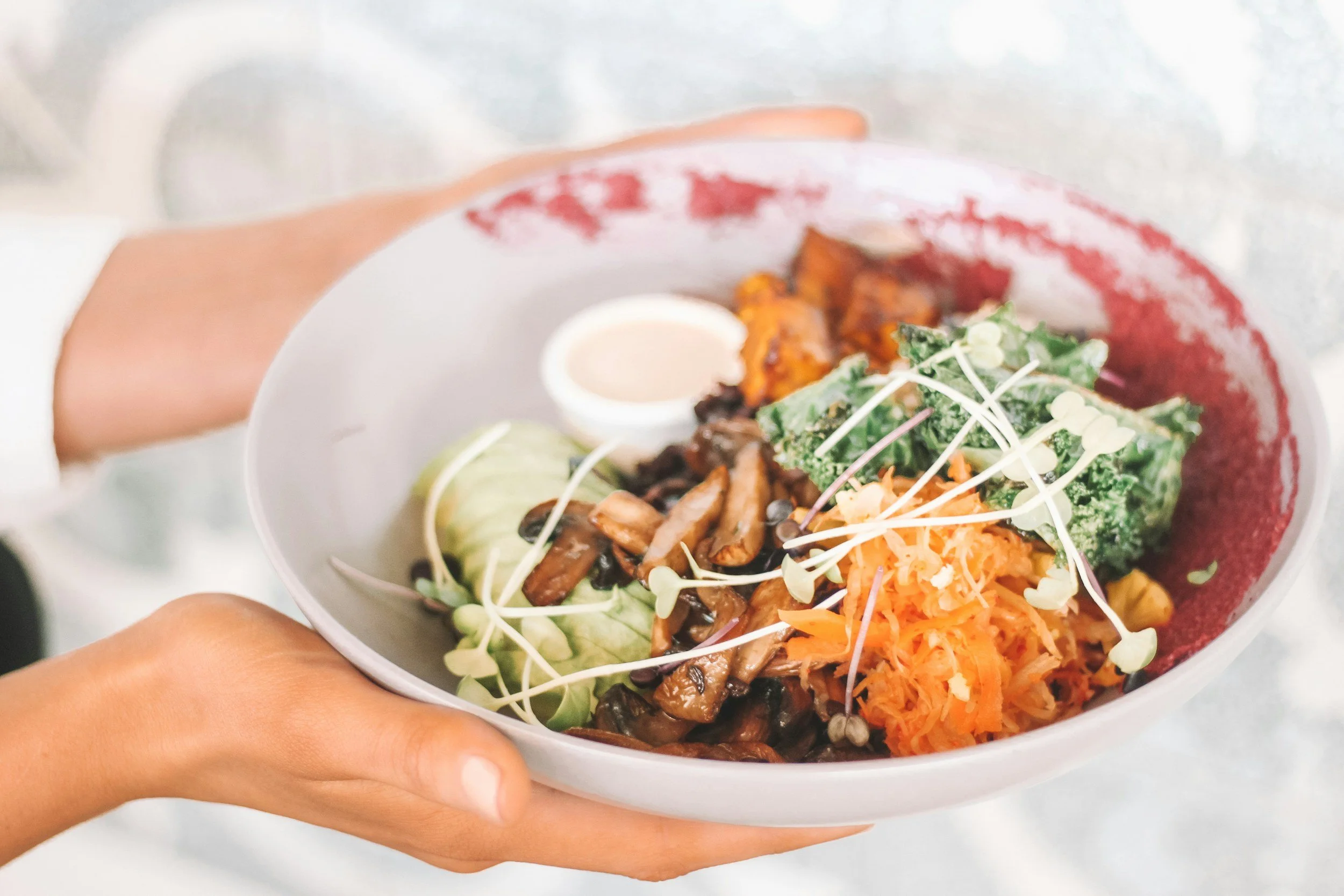
Focus on Whole foods
When you're postpartum, nutrition and caring for yourself quickly becomes an afterthought. You are feeding a newborn every few hours. You may be recovering from birth, sleeping in short stretches, orpumping around the clock. It is very easy to realize at 2 p.m. that you've had coffee (even if you did have to microwave it twice) and a lactation muffin. But your body deserves better than that.
I want you to think about eating real, nourishing food regularly, rather than chasing individual “milk-making” ingredients.
Some of my favourite foods to include during the postpartum period are
Whole grains
Oats
Barley
Quinoa
Nuts like almonds
Ground flaxseed
Chia seed
Hemp Seed
Chickpeas
Lentils
Sweet potatoes
Beets
Papaya
Figs
Coconut
Moringa
Eggs (an excellent source of choline to prevent inflammation ie. “plugs”)
With a focus on Healthy fats like Avocado or Olive oil, Nuts and nut butters, Full-fat dairy, Fatty fish such as salmon and sardines
These foods aren't magic milk-makers. They are simply nutrient-dense foods that help you build balanced meals and snacks while your body is recovering and producing milk.
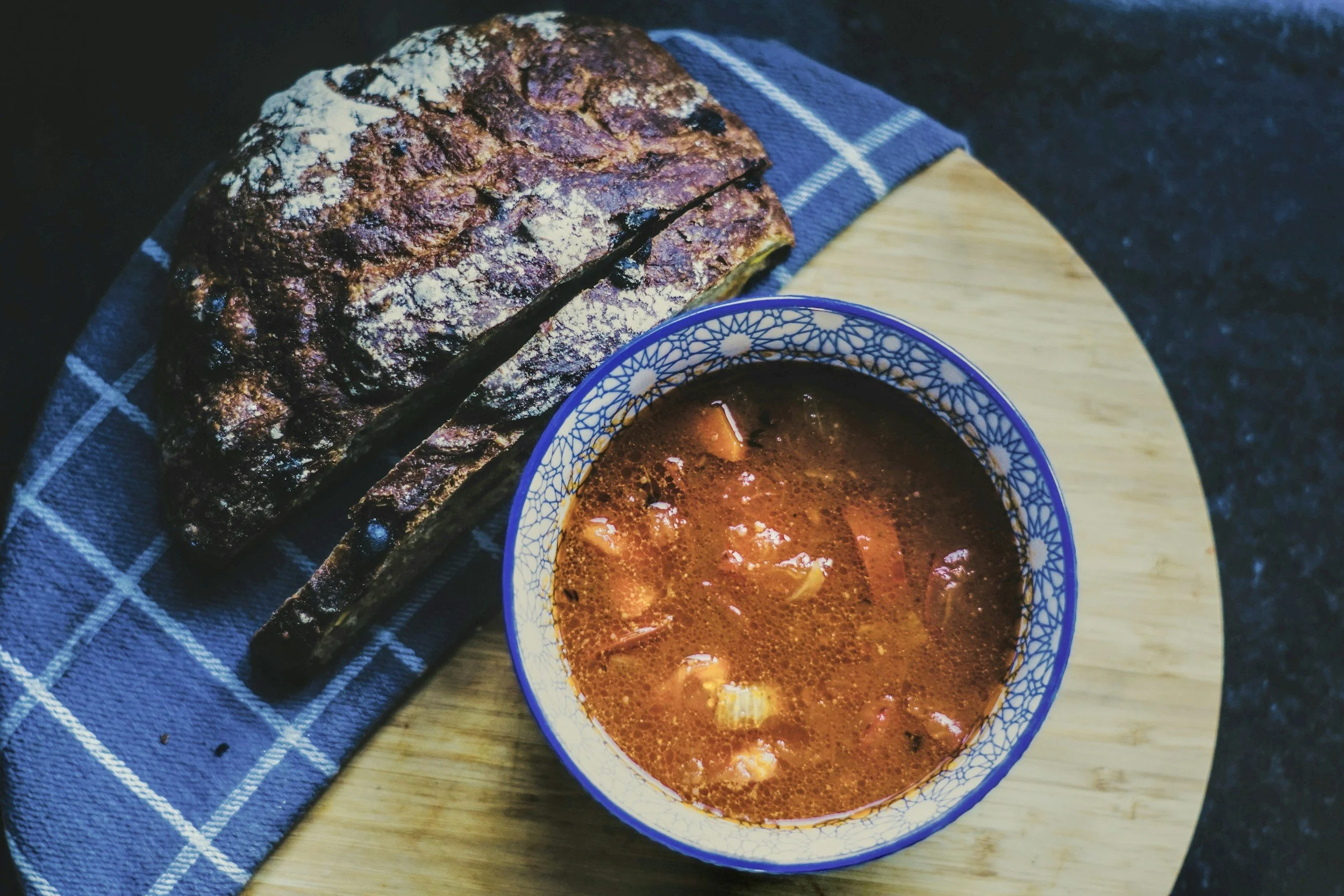
What are some easy postpartum meals for breastfeeding moms?
Some of my favourite meals for postpartum families include:
Poke bowls.
These are easy to customize and can be built around rice, quinoa, or barley. Then add salmon or another protein, avocado, edamame, vegetables, and a sauce.
Barley soup
A hearty barley soup made from bone broth and packed with beef, carrots, onions and garlic is my favorite thing to bring new moms
Sweet Potato lentil stew
Sweet potatoes and lentils are inexpensive, filling, freezer-friendly, and packed with nutrients. Add some olive oil or avocado when serving for an extra source of fat.
Lactation Smoothie
made from coconut milk, your favorite fruit, and sprinkled with hemp and chia

Setting up your feeding station
If you're breastfeeding or pumping frequently, creating a little station next to your chair where you spend a lot of time is a great way to ensure you are staying fed and hydrated. Even better, put someone else in charge of this like your partner or grandparents.
Keep it stocked with things you can grab easily while feeding or pumping:
A water bottle
Almonds
Lactation Muffins
Energy Balls
Some other things I like to keep by chair include a hair elastic, head phones in case I end up nap trapped and want to watch a movie, as well as probiotics and D-drops for baby.
Do lactation cookies actually increase milk supply?
Lactation cookies often contain ingredients such as oats, flaxseed, brewer's yeast. And while that may sound convincing, putting several “galactagogue” ingredients into a cookie doesn't automatically make the cookie a proven milk supply treatment. You are far better off focusing on regular effective milk removal. ie. addressing that painful latch
Is it going to hurt? Probably not. That is, as long as you’re not using it as an excuse to eat 10 cookies a day that spike your blood sugar. After all, balanced hormones are part of milk production, and insulin is one of those hormones.
But that doesn't mean you can't enjoy a lactation cookie or muffin here or there. Just don’t go spending all your hard earned money on store bought lactation cookies. They are not the answer to your supply concerns.
If you do have friends or family that want to help, or if you were going to make a batch of cookies or muffins anyway, then it’s not going to hurt to throw these ingredients in.
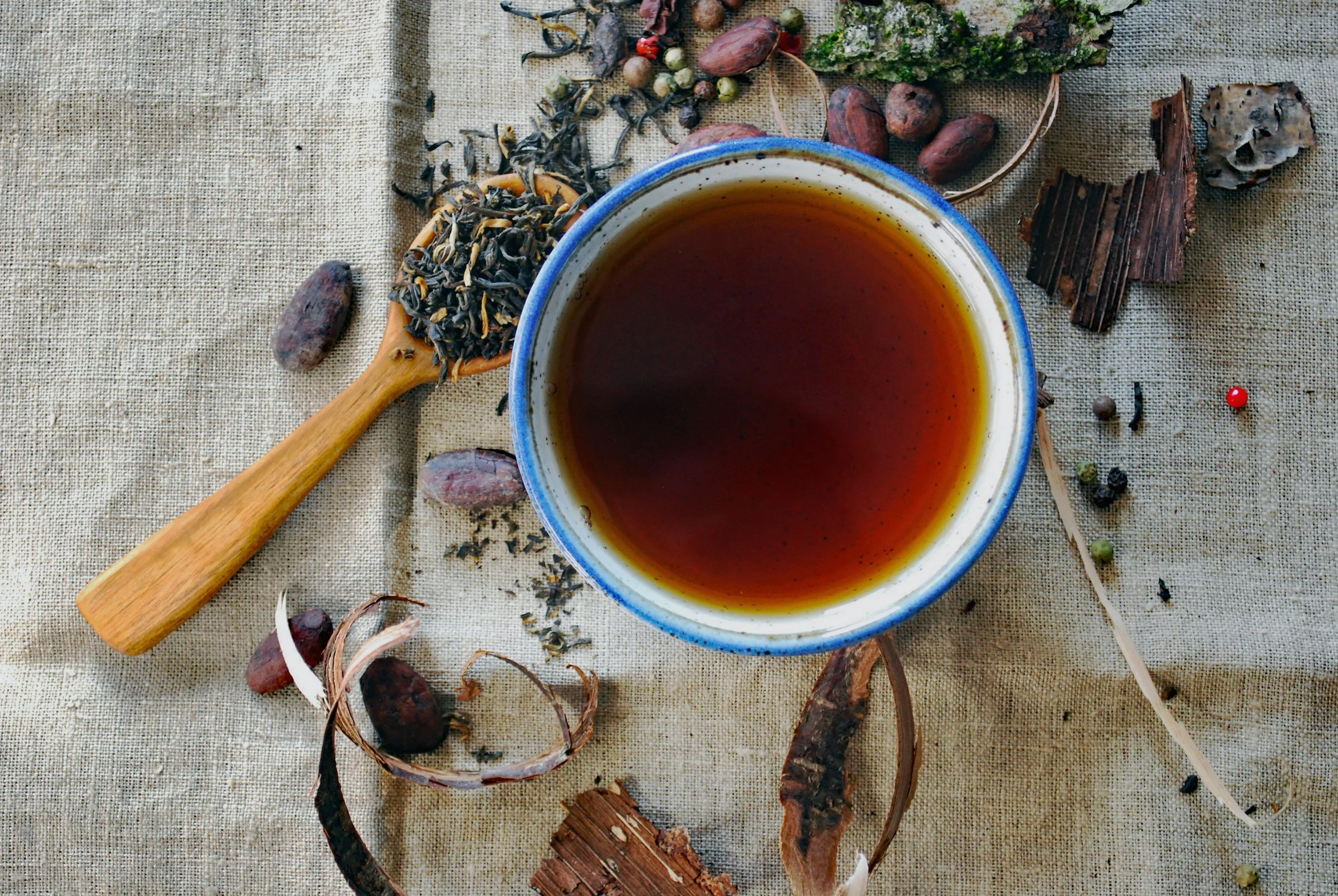
What about teas?
If you enjoy drinking tea, then go to town (as long as it doesnt have fenugreek in it). But I wouldn't make Mother's Milk Tea the first thing you reach for when you're worried about low supply.
Many lactation teas contain combinations of herbs such as fenugreek, fennel, anise, blessed thistle, or other ingredients marketed as galactagogues.The evidence for these products is mixed, and the safety and effectiveness of one product cannot necessarily be assumed from studies of another product.

What if my baby is in the NICU?
It’s important to note that if you have a premature infant in the NICU, because the evidence is lacking on herbs, they are not recommended while they are in hospital.
We are beyond careful with out littles and their guts, so unless something has been proven safe, we’re not going to recommend using something we don’t have robust safety information on.
Use of Herbal Supplements to Increase Supply
Herbal supplements also aren't regulated in the same way as medications, and the actual ingredients and amounts can vary between products.
We need to be really careful around herbs. Just because something is labelled “natural” doesn't mean it is automatically effective or harmless. As mentioned above, Fenugreek has been shown to actually decrease supply in some and cause gastrointestinal symptoms, allergic reactions, and interactions with certain medications.
There are other milk making herbs that can drastically impact blood sugar levels. So it’s important that while herbs are widely available that you always discuss their use with a knowledgable provider who is familiar with YOUR history.
When will food and herbs not help
Let me be clear.. if you are not emptying youre breasts regularly, including every 2-4 hrs over night, or if you have a painful latch or are using a flange that doesnt fit and secondary pump to pump regularly, food is going to do all of nothing for your supply.
Regular, effective milk removal is the most important thing that you can do postpartum to address supply concerns and if you aren’t emptying regularly, no amount of muffins or tea or domperidone is going to increase your supply dramatically.
So before you spend money on supplements, find out what is actually limiting your milk production.
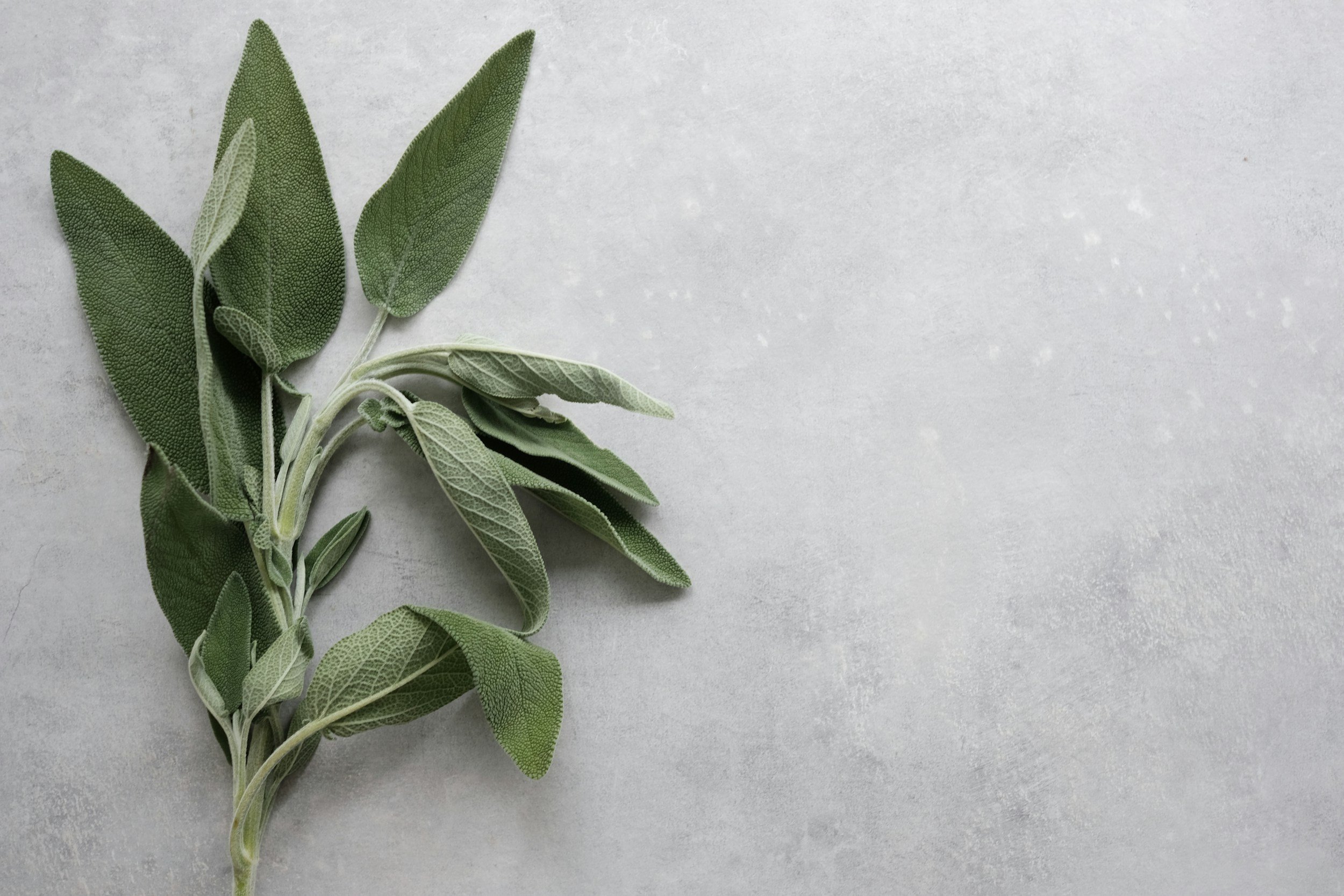
Are there foods that can decrease milk supply?
Yes! Just in the way that some food can increase supply, there are some that can decrease it. In fact, I actually use some of these ingredients to help over-producers decrease their supply intentionally.
Sage and peppermint in particular can be very effective at decrease supply.
But, just as with galactagogues, the scientific evidence is limited. There aren't large, high-quality clinical trials showing exactly how much sage or peppermint someone would need to consume to decrease milk production.
That doesn't mean there's nothing to it.
There is a long history of breastfeeding parents using foods and herbs to influence milk production, and lactation professionals continue to see patterns in clinical practice that aren't always well represented in research yet.
The science is still catching up.
So perhaps there really is something to what your grandmother was saying about the special soup you should have after delivering.

What I would do before buying a lactation supplement
If you're worried about your supply, start here:
1. Make sure your baby is transferring milk effectively. If you're breastfeeding, look at latch, positioning, swallowing, milk transfer, and weight gain.
2. If you're pumping, make sure you're actually removing milk effectively.This includes looking at flange fit, technique, settings, and whether your actual pump is appropriate for how often you’re using it.
3. Look at how often milk is being removed. If you’re not pumping overnight, that’s a good place to start.
4. Make sure you're eating whole foods and often enough.
5. Meet with an LC who can help you identify potential causes of low supply and address them head on.

Sometimes the answer really is as simple as getting enough food, water, calories, and rest.
And sometimes the answer is a flange change, a different pump, a change in pumping technique, addressing an underlying medical issue, or making sure your baby is feeding effectively and actively transferring milk during the time they're at the breast.
That's why individualized lactation support is so important.
We want to find the root cause.
You shouldn't have to spend all of your money and time trying every tea, cookie, tincture, and supplement on the market hoping that one of them will finally fix your supply.
Your milk supply is an equation, and what you eat is only one piece of it.
If you're struggling with supply and live in Calgary, let's look at the whole equation together instead of just adding another batch of lactation cookies.