
How Long Should I Breastfeed For?
The short answer: however long it is working for both you and your baby.
There is no single “right” age to stop breastfeeding that applies to everyone. Despite what you might hear, it does not need to be all or nothing either. It is a relationship. And like any relationship, it continues for as long as it feels sustainable, supportive, and right for both of you.
And I am not here to say there are no risks with formula feeding, because there absolutely are. Breastfeeding is the physiological norm. But we also live in a world where that norm is harder to achieve. We are resuscitating more premature and medically complex babies, supporting higher risk pregnancies, and navigating a society that does not always protect maternal mental health or prepare women for how a lifetime of choices can impact lactation.
What Is the Official Recommendation?
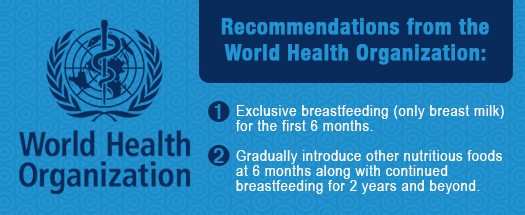
The World Health Organization recommends breastfeeding up to 2 years and beyond, and the American Academy of Pediatrics supports breastfeeding for 2 years or longer.

What Does the Research Say?
Anthropologist Katherine Dettwyler’s seminal research on natural weaning suggests that, biologically, humans are designed to breastfeed somewhere between 2.5 and 7 years, with an average closer to about 3.5 years. She looked at natural weaning across other mammals, especially primates, to estimate what is biologically typical for humans. Her research examined markers such as when offspring double or triple their birth weight, reach about one third of their adult body weight, and the ratio of gestation length to lactation length. She also considered dental eruption, particularly the first permanent molars, and the development of the immune system, which signals when a young animal can better fight infections independently.
In Canada and the United States, many families wean earlier, often because of social expectations, lack of support, or returning to work rather than biology.

“My Baby Self-Weaned at 8 Months”
True self-weaning before one year is rare.
What often gets labeled as “self-weaning” is actually a feeding strike or a sign that your supply has dropped off significantly.
Feeding strikes can happen suddenly and are usually temporary (roughly 24 hours). They are often triggered by things like teething, illness, developmental changes, distractions, or changes in routine. Babies who are on strike may refuse the breast which can be stressful for parents. Continue to offer frequent opportunities for them to stay hydrated, and ensure you are in a calm, quiet environment. Babies who experience feeding strikes are typically around the 8 months mark and older and have the reserves to have a snack day, and hopefully make it up tomorrow. Just like when we don’t eat much when we are sick. It’s important to note that this is not ok in the first couple months postpartum, newborns need to be frequently and sufficiently fed.
True weaning looks like a slow and consistent decrease in interest over time, not an abrupt refusal.
If your baby seems to suddenly stop wanting to nurse, it is worth looking deeper before assuming they are ready to wean. Some things to consider: Are you pregnant? Hormones are an absolute supply killer.

“I Heard Breastfeeding After 1 Is Just for Comfort”
Breastmilk continues to adapt over time. After two years, it becomes extremely concentrated and looks a lot like colostrum again. Protein, fat, lactoferrin, and immunoglobulins are all higher than at any other stage, with sIgA levels almost quadruple compared to the first year. These changes help protect your toddler against illness and safeguard your own breasts against inflammation during longer stretches between feeds.
The calorie content of breastmilk after 2 years increases by about 60 percent, from about 20 kcal per ounce to about 31 kcal per ounce. This can be especially helpful during picky eating phases, illness, or growth spurts.
And yes, it is also for comfort. But comfort is not a small thing. It is regulation, connection, and safety in a busy toddler world. Learning how to comfort a toddler without a boob? That is a challenge to say the least.
“I Feel So Touched Out and Overstimulated”
You are allowed to feel touched out. Breastfeeding, especially into toddlerhood, can be physically and emotionally intense. Constant contact, frequent requests to nurse, and having your body needed throughout the day can feel overwhelming.
Feeling overstimulated or needing space does not mean you are doing anything wrong. It means you are just like every other mom.
Sometimes small changes can help you continue in a way that feels better. Having dad do more feeds, setting gentle limits around nursing in public, or having another caregiver step in at bedtime can mean the difference between “I’m over this and need to wean” and keeping a bedtime session for an extra year. So while weaning is sometimes the right next step for a certain dyad, that is not anyones decision to make but yours.

What About Cavities?
A common concern with extended breastfeeding is dental caries. Breastfeeding itself is not inherently harmful to teeth, especially compared to going to bed with a bottle of breastmilk or cow’s milk. When a baby breastfeeds, the nipple is drawn far back into the mouth. They are not sitting with a pool of milk around their teeth the way they are with a bottle or cup.
Oral care should start early in infancy. Even before teeth erupt, you can gently clean your baby’s gums with a damp washcloth. This helps them get used to the sensation. Once teeth appear, brushing twice daily becomes part of the routine. When two teeth are touching, flossing can begin. A trip to the dentist is in order around 2 or 3 years old.
Cavity risk is influenced more by overall diet, frequency of sugar exposure, and oral hygiene than by breastfeeding alone.
Breastfeeding and healthy teeth can absolutely go together.

Breastfeeding During Pregnancy
If you become pregnant while still breastfeeding, it is natural to wonder if it is safe to continue.
In most low risk pregnancies, it is. Breastfeeding does release oxytocin, but in amounts that are generally not clinically significant in a healthy pregnancy. A helpful way to think about it is that if you are cleared for intercourse, you are typically safe to continue breastfeeding and even collect colostrum later in pregnancy.
You may however notice a drop in supply, increased nipple sensitivity, or changes in taste that lead your toddler to wean on their own. Some continue throughout pregnancy, and some families go on to feed both a newborn and a toddler.

How Do I Stop?
Weaning can be gradual or abrupt, depending on your situation.
Many families choose a slow approach, dropping one feed at a time. This helps reduce the risk of engorgement and mastitis. Cold compresses can be very helpful during this process. The slower the transition, the easier it tends to be on your body and those pesky hormones that have you feeling the baby blues all over again.
Some families wean daytime feeds but continue with a morning and/or bedtime feed for a long time. Bedtime feeds, in particular, can feel hard to let go of. Nursing is often the easiest way to get a toddler to sleep, especially when it has always been part of their routine and source of comfort.
If your toddler is frequently asking to nurse, small environmental changes can help. Wearing less accessible clothing, getting out of the house during usual feeding times, and offering distraction can make a big difference. Having a partner or another caregiver take over bedtime for a period of time can also help with the transition.

What If I Need to Wean Abruptly?
If you need to stop quickly, focus on comfort and preventing complications.
Ice is your best friend. Hand express only enough to relieve discomfort, not to empty the breast. This helps signal your body to decrease supply. And watch for signs of mastitis that may require antibiotics.
There are also prescription medications available if needed, depending on your situation.

Maternal Health Benefits of Breastfeeding Longer
Breastfeeding is not only beneficial for your baby. It has long term health benefits for you as well.
Longer durations of breastfeeding are associated with a reduced risk of breast cancer, ovarian cancer, type 2 diabetes, and cardiovascular disease. It also supports postpartum recovery and plays a role in mental health.
Like everything in breastfeeding, this is not all or nothing. Any amount and any duration is protective for your health.
So When Should You Stop?
When you feel ready and have a plan in place to ensure your baby is fed and your body is supported.
Not when someone else says so. Not based on a specific age. Not because of pressure.
Just when it is no longer working for you.
You Do Not Have to Navigate This Alone.
Whether you are new to breastfeeding, navigating a feeding strike, thinking about weaning, or somewhere in between, I am here to guide you through each step.
If you are in Calgary and looking for a in-home lactation consultant, I would love to work with you. Head on over to the contact form to get started today.